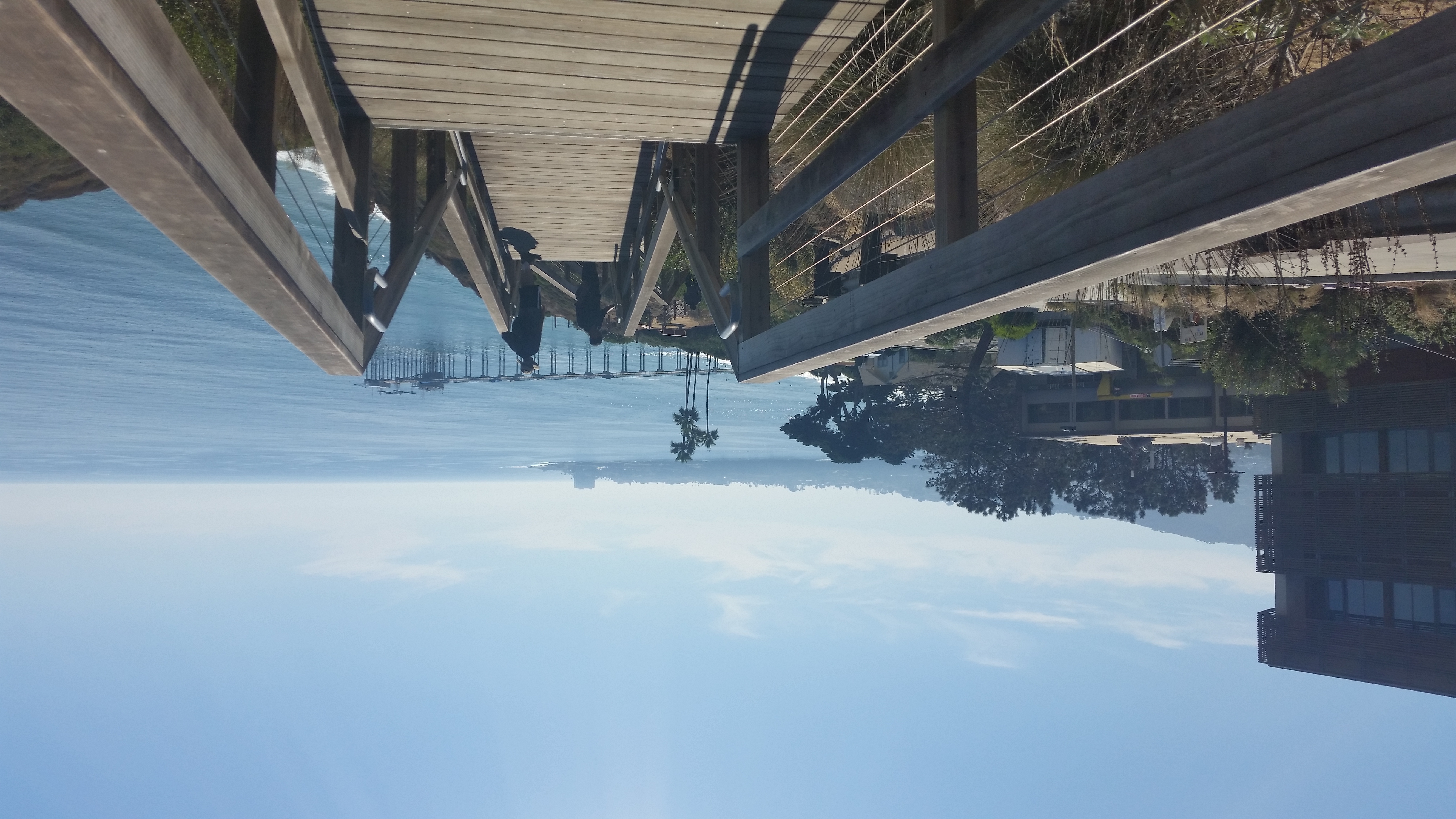
The Scripps Pier in La Jolla recorded 42 days of record-high ocean surface temperatures through Aug. 16, and researchers at Scripps Institution of Oceanography say the approaching Super El Niño could temporarily push sea levels along the coast up by as much as 13 inches this winter.
Scripps scientists plan to map California's coastline before and after the El Niño to document erosion and infrastructure damage. Coastal geologist Adam Young said the data can help predict how future sea level rise will reshape the coast.
The numbers are stark. NOAA reports equatorial Pacific sea-surface temperatures are running 3.6 degrees Fahrenheit above average, putting the odds of a very strong El Niño during fall and winter above 90%. Forecast models suggest this event could be the largest in the 150-year historical record, according to Times of San Diego.
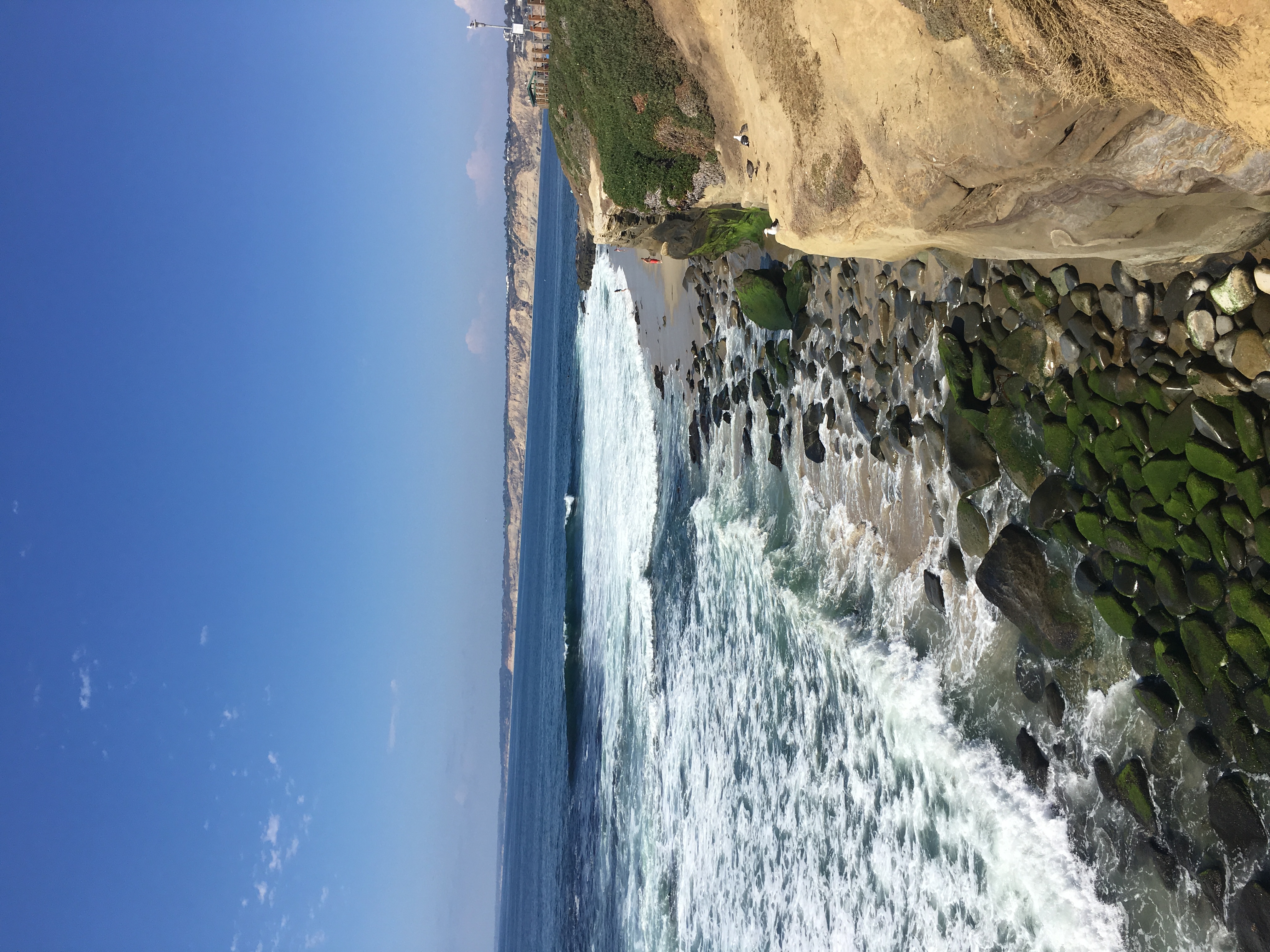
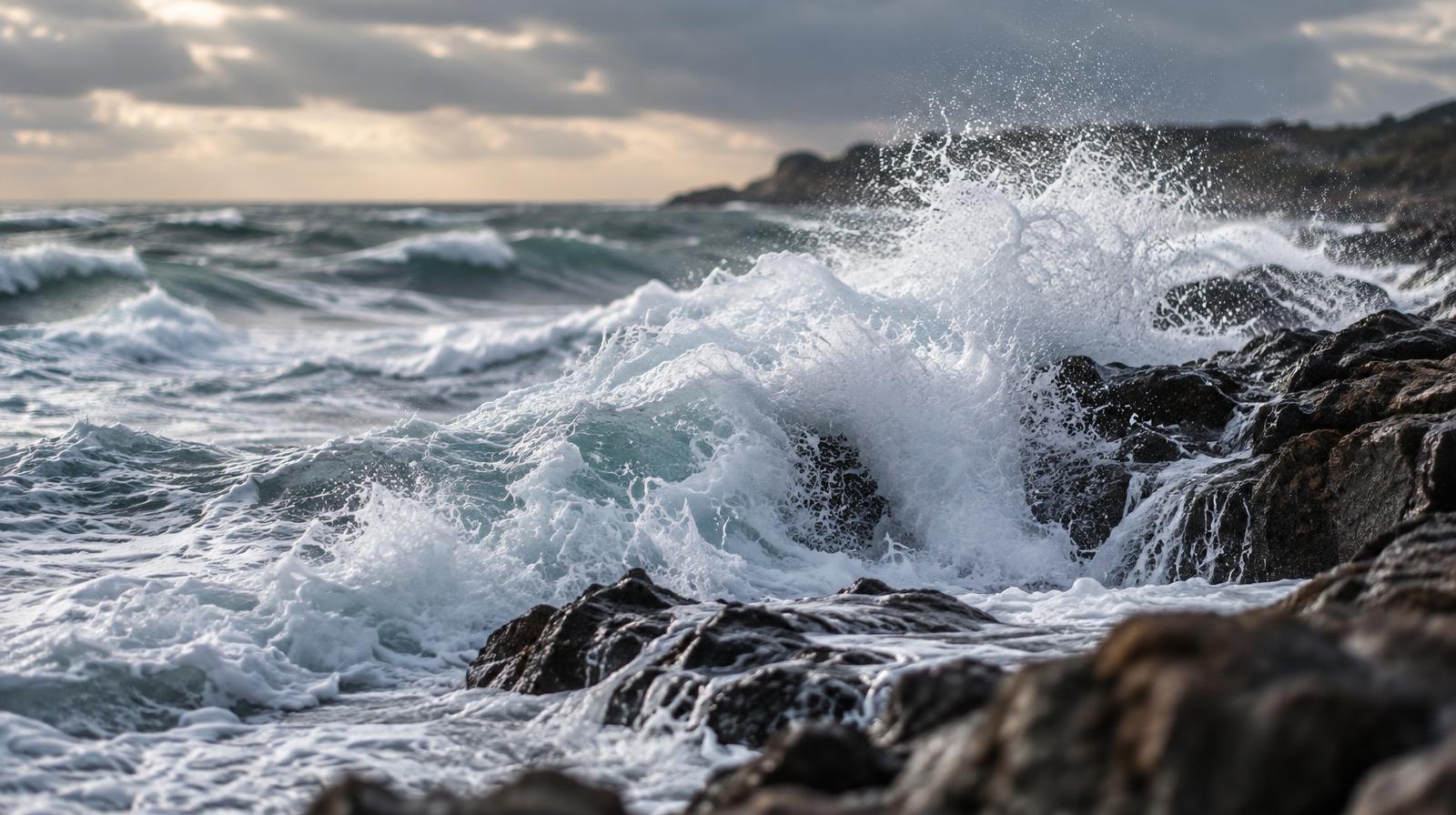
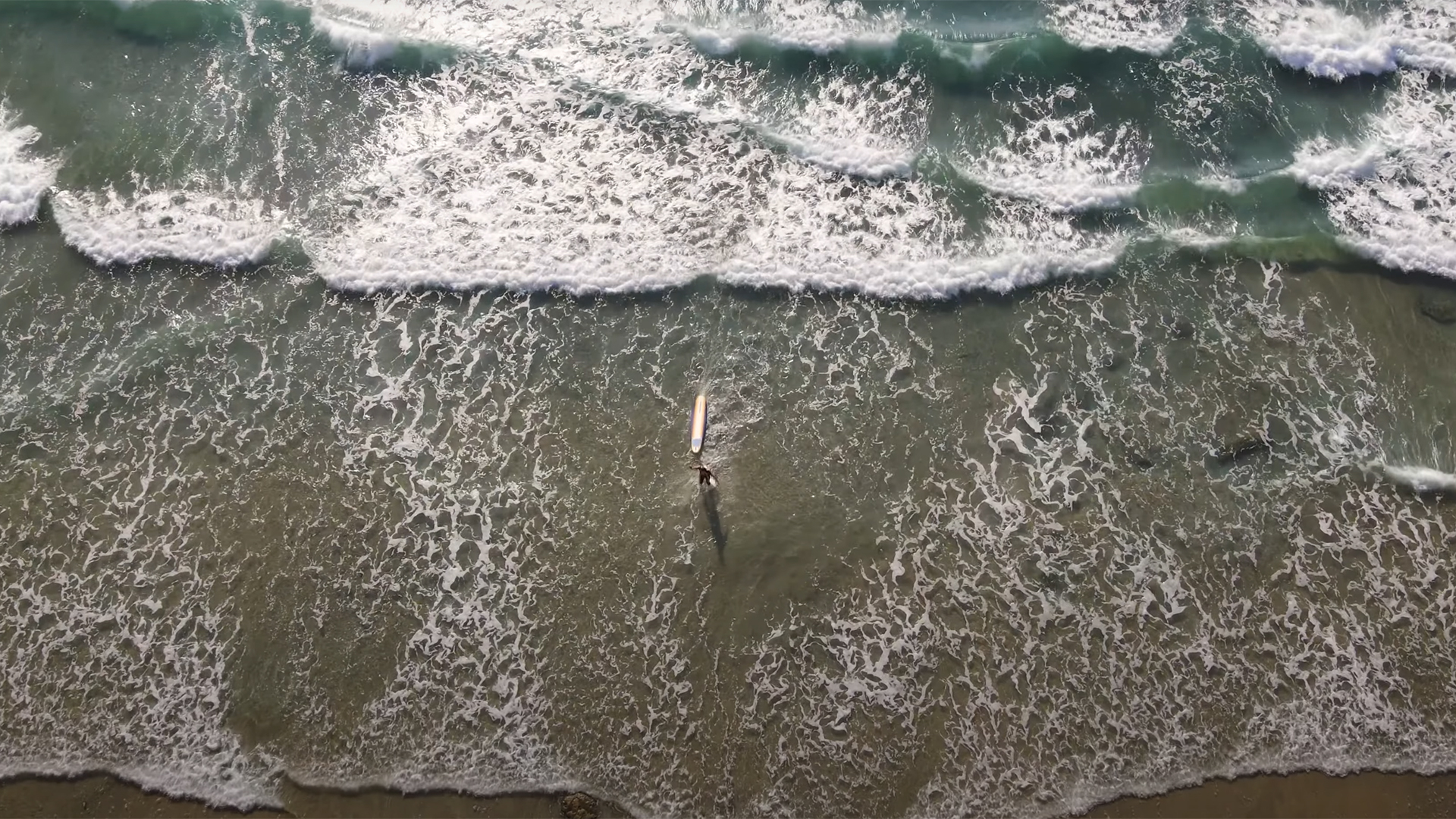
For La Jolla's bluffs and beaches, the threat is specific. Scripps climate researcher Dan Cayan wrote in the institution's El Niño FAQ, published Aug. 19, that El Niño winters bring more numerous, southward-shifted storms to Southern California. Those storms generate unusually high ocean waves that, combined with inflated sea levels and high tides, can inflict beach and cliff erosion.
But Cayan cautioned that a powerful El Niño in the tropical Pacific does not guarantee record rainfall locally. "We're keenly interested in this 2026-27 strongly developing El Niño because some previous strong cases, like the massive events in 1982-83 and 1997-98, were among the wettest years on record in California," he wrote in the Times of San Diego's Aug. 25 report. "While we might partially attribute elements of individual storms to El Niño, we are left with statistical odds, rather than precise yes or no characterizations."
City scrambles to prepare aging storm system
San Diego's stormwater infrastructure is not ready for a worst-case scenario. Only 17% of the city's stormwater channels are sized to handle a 100-year storm, and just one of its 15 pump stations was designed for that capacity, according to Times of San Diego's reporting on the City Council's Environment Committee meeting Thursday, Aug. 20. Several stations date to the 1940s.
The city formed a 24-department El Niño working group in June and has identified 50 preparedness projects. Stormwater Department director Todd Snyder told the committee that the city has already declared four stormwater emergencies in 2026 before the rainy season has begun.
"We've already declared four more emergencies, and it's not even raining," Snyder said. "I think it's a reflection of the aging condition of our overall system."
Chief infrastructure officer Kris McFadden was blunt: "We're not gonna dredge our way out of this. We have to build big things."
Council president Joe LaCava pointed to a $5 billion funding gap in the stormwater system over the past five years. The city secured a $733 million low-interest federal EPA loan for upgrades, but those dollars are expected to run out long before the system is fully improved.
In fiscal year 2027, crews plan to clear 67 stormwater channel segments covering about 20 miles, working six days a week, 12 hours a day. That compares with a typical four segments per year before 2024.
A sandbag working group has a plan to fill 100,000 sandbags for residents but has not yet secured the $300,000 needed to execute it.
What La Jolla residents can do
San Diego Mayor Todd Gloria urged residents on Aug. 19 to visit sandiego.gov/elnino for preparedness tips and to sign up for emergency alerts. The city identifies more than 6,900 structures in FEMA-designated flood-hazard areas citywide.
Scripps' Shore Stations Program, based in La Jolla, continues to monitor ocean temperatures at 10 sites along the California coast. Record highs have been logged at all 10 stations in 2026.