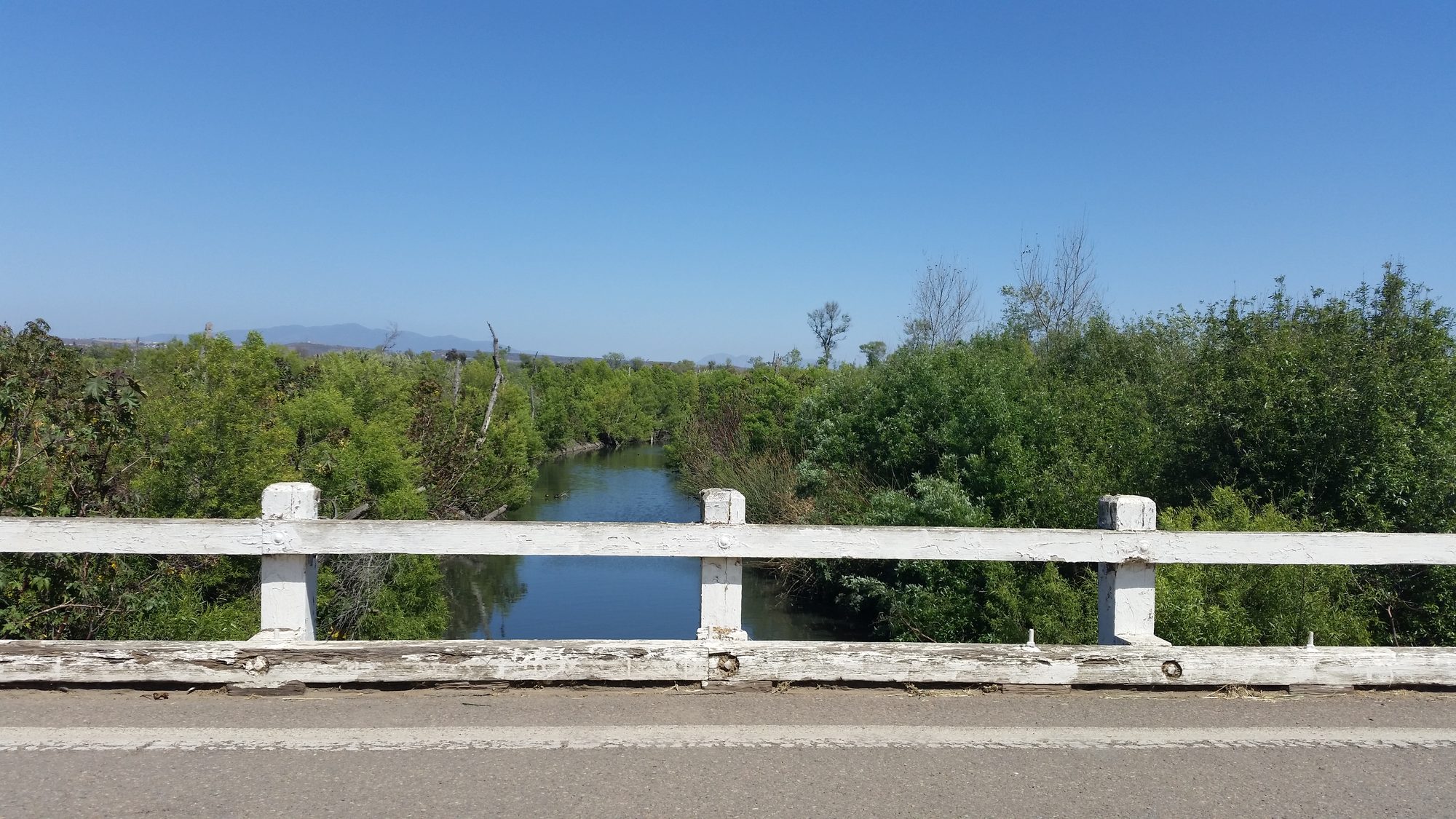
San Diego County will build a sewage treatment system on the U.S. side of the Mexican border after a 4-1 vote Tuesday, Sept. 1. The Board of Supervisors committed $1.8 million to the first phase of a plan targeting Tijuana River pollution, a regional crisis that persists as La Jolla beaches face elevated bacteria levels and recurring water advisories.
Supervisors Paloma Aguirre and Terra Lawson-Remer, the board chair, co-sponsored the Tijuana River Capture and Cleanup Initiative. The three-phase plan allocates $1.8 million to the county Department of Public Works for the first phase. Aguirre said at a Monday, Aug. 31, news conference that the measure puts $5.8 million in local county funds to work on U.S. soil, NBC San Diego reported.
The initiative also seeks emergency declarations and possible state legislation to speed permitting. It converts the board's ad hoc sewage-crisis subcommittee into a standing committee.
Supervisor Joel Anderson cast the lone no vote. "My concern is this is not our lane," Anderson said, arguing the county should build a coalition before acting alone. He suggested the Otay Water District's purchase agreement with the city of Tijuana could serve as leverage, since Tijuana cannot grow without more water.
Lawson-Remer said the initiative is meant to build that coalition but that the board did not want to wait. Supervisor Jim Desmond voted yes but said he would prefer Mexico fix the problem and that the county should plan for the worst-case scenario.
Aguirre, whose district includes communities hit hardest by the sewage flows, said six decades of broken promises have earned her constituents' skepticism. She credited recent U.S.-Mexico agreements but faulted the Biden and Trump administrations for not doing enough and criticized Gov. Gavin Newsom for not declaring an emergency.
La Jolla beach water advisories
The vote comes as La Jolla deals with its own water quality concerns. The San Diego County Department of Environmental Health and Quality issued a water advisory for La Jolla Shores at Avenida de la Playa on Aug. 11 after bacteria levels exceeded health standards. La Jolla Cove has been under intermittent advisories since January 2026, and Children's Pool has carried a daily advisory since 1997.
The board also voted unanimously to spend $4 million on design, environmental review and permitting to replace failing box culverts beneath Saturn Boulevard near the Tijuana River. A UC San Diego research team found hydrogen sulfide levels at a Saturn Boulevard "hot spot" in 2024 that were 4,500 times higher than typical for an urban area. Hydrogen sulfide is commonly called sewer gas for its rotten-egg smell.
The board had already approved $2.5 million to repair existing culvert pipes, with that work expected to finish next year.
During public comment, the local Sierra Club chapter and the YMCA voiced support. Maria Ortiz, a University of San Diego graduate student and military spouse, told the board that when water toxicity was reported at her family's Navy station in Italy, "the Navy moved our family within days, so I know that swift action is possible, because I've lived it."
One District 5 resident pushed back, noting that $600 million in EPA funding has already been proposed and questioning why local taxpayers should bear the cost.
In a related development, San Diego Coastkeeper announced on Aug. 5 that it settled its Clean Water Act lawsuit against the U.S. International Boundary Water Commission (USIBWC). Since the suit was filed, USIBWC received nearly $800 million in federal allocations and expanded the South Bay International Wastewater Treatment Plant's capacity by 40%, reducing untreated flows into the U.S. by 10 million gallons per day.
No next meeting date or public comment deadline for the cleanup initiative has been announced.