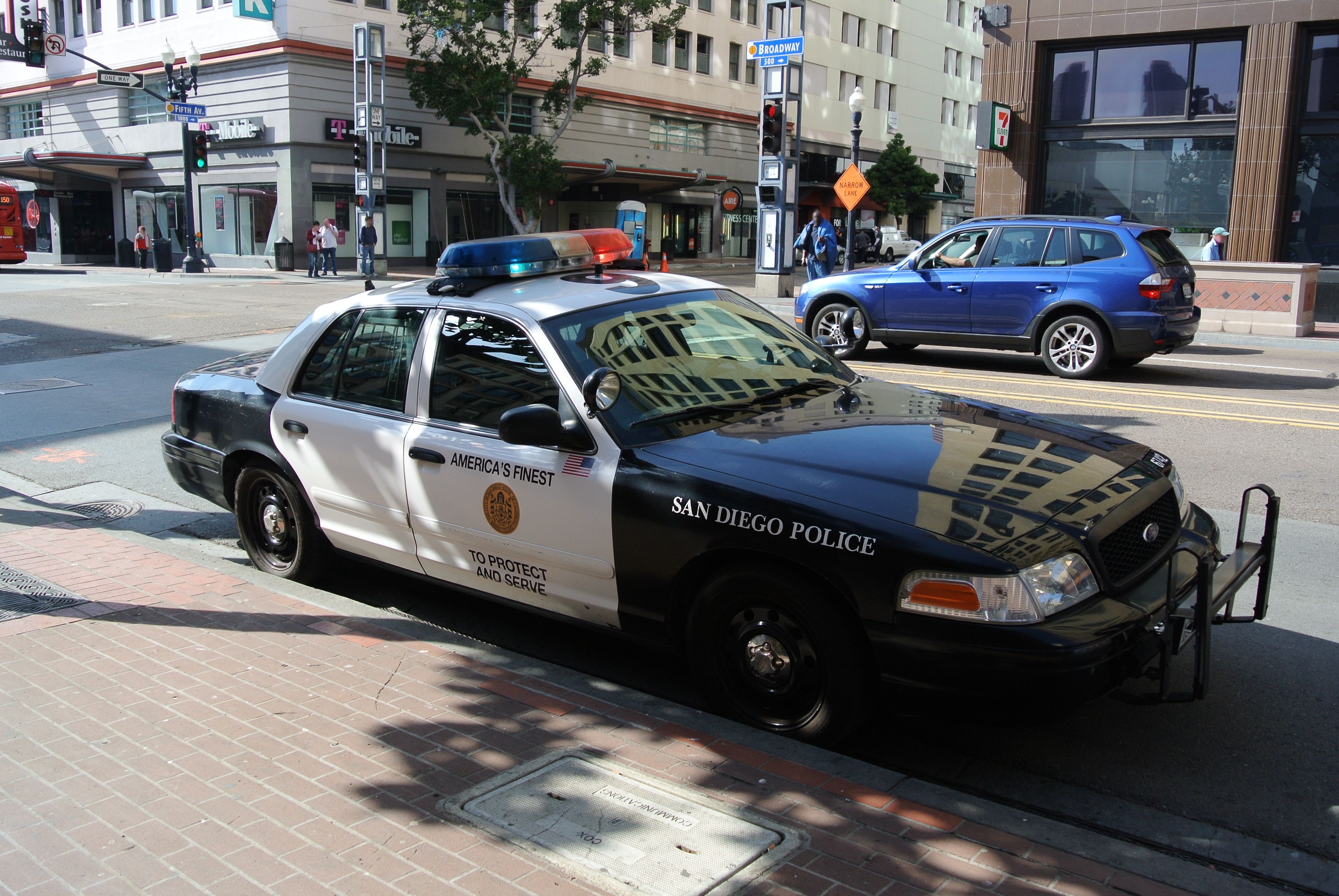
San Diego police officers could lose the authority to pull over drivers for broken tail lights, expired registration or tinted windows under a recommendation from the city's police oversight commission.
The Commission on Police Practices (CPP) sent four recommendations to San Diego Police Department Chief Scott Wahl on Aug. 25, calling on the department to limit traffic stops to those based on observed conduct or evidence of a crime. The proposal would prohibit stops based solely on minor equipment or administrative violations, NBC San Diego reported.
The policy, if adopted, would apply citywide, including in La Jolla, where SDPD's Northern Division patrols local streets.
What would change
Under the CPP's plan, officers could no longer use lighting problems, window or view obstructions, body and exhaust modifications, or registration issues as the sole basis for a traffic stop. The recommendations also target so-called "pretext stops," in which officers cite a low-level violation as probable cause to investigate unrelated suspected crimes.
The commission would also bar stops based on generalized factors such as a person's parole or probation status.
During stops that do occur, officers would be required to explain the reason for the stop. They would also be prohibited from requesting consent to search a person or vehicle to investigate unrelated crimes unless "specific and articulable facts" support a separate detention.
The CPP drafted the recommendations after analyzing data collected under California's Racial and Identity Profiling Act (RIPA) and after gathering public input at a community forum in June 2026, according to Police1, citing the San Diego Union-Tribune.
Racial disparities in the data
San Diego's 2024 RIPA data, cited in the CPP's report, found that individuals perceived to be Black were 4.42 times more likely to be frisked than people perceived as white. They were also 3.36 times more likely to be asked for consent to search their property during police stops.
Black drivers were more than three times as likely to be subjected to force or to be handcuffed. The commission found similar disparities affecting people perceived to be Hispanic or Latino, though at lower levels.
The CPP's report acknowledged that pretext stops "remain a valued investigative tool" but found that stops for minor violations "often produce limited public safety benefits relative to the distrust, complaints of unfairness, and racial disparities they generate."
SDPD reviews recommendations as police union pushes back
SDPD Sgt. Saum Poorsaleh, the department's public information officer, said the department received the recommendations and is reviewing them. Under the San Diego Municipal Code, the chief's office must respond in writing within 60 days.
The recommendations are advisory.
Lt. Jared Wilson, president of the San Diego Police Officers Association, said in a statement that "additional restrictions will hamper officers' ability to proactively address crime and keep our communities safe." The union was not part of the process that produced the recommendations.
Roger Smith, the CPP's executive director, said the commission seeks equal treatment for all San Diegans during police encounters and wants to ensure no community faces undue investigative pressure.
The CPP was created by San Diego voters in 2020 through Measure B. Voice of San Diego reported that the commission still does not have full subpoena power to investigate serious incidents involving officers, six years after voters approved it.
Chief Wahl's written response is expected by late October 2026.