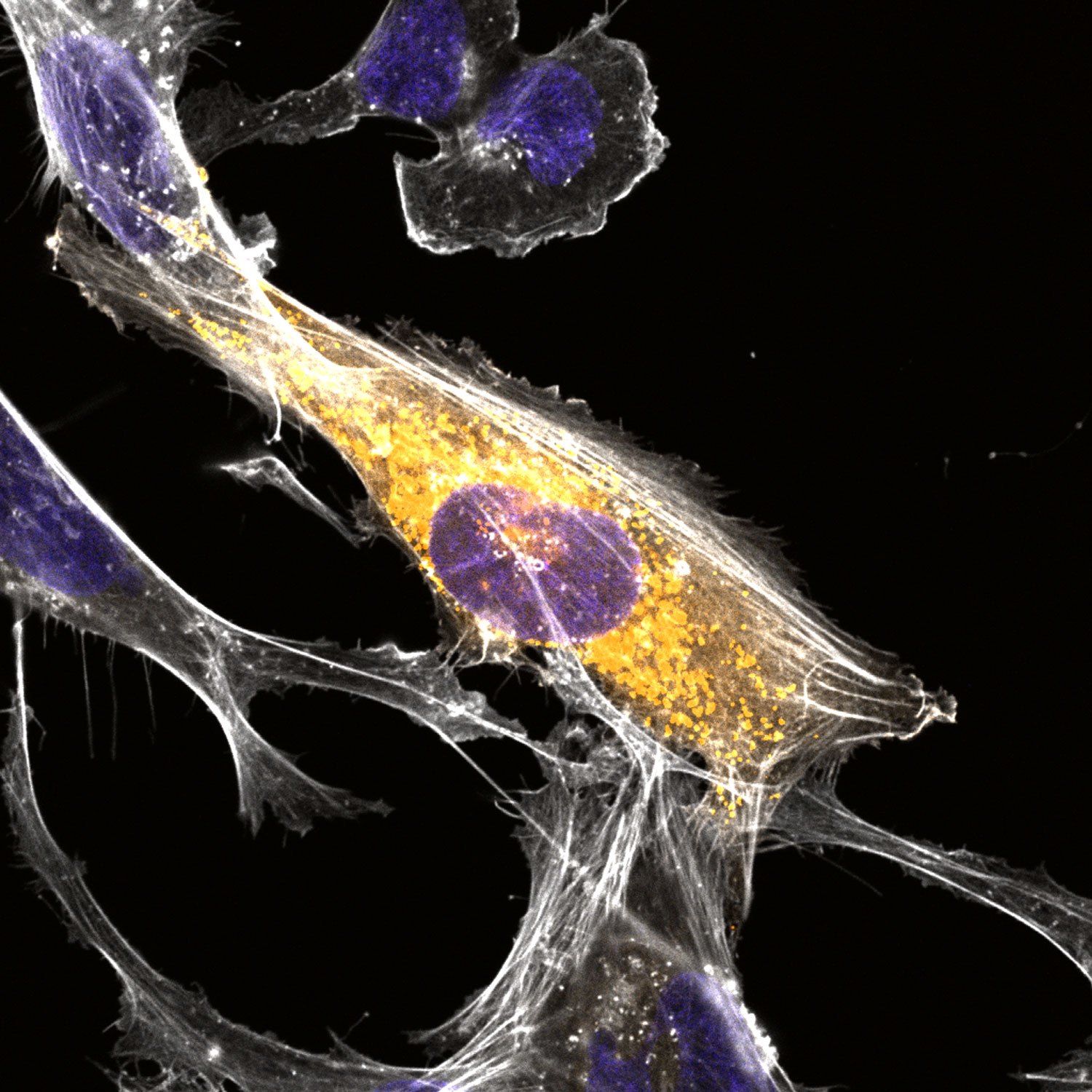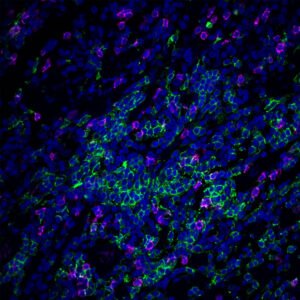
B cells can recruit killer T cells into tumors and activate their cancer-fighting functions, according to a new study from La Jolla's Salk Institute that could reshape immunotherapy for hard-to-treat cancers.
The study, led by assistant professor and Rentschler Chair Daniel Hollern, appeared in the journal Cell Reports on Thursday, Sept. 10, according to the Salk Institute. The Salk team described it as the first to demonstrate that B cells can regulate killer T cell function.
"B cell responses have repeatedly been associated with better outcomes in people with cancer, but association alone cannot tell us what those cells are doing," Hollern said. "Our study begins to provide a mechanistic explanation: B cells can help bring cancer-killing T cells into tumors, organize them, and enhance their cytotoxic function."
The finding matters because standard immunotherapies focus on boosting T cells. Not all patients respond to those treatments, particularly people with hard-to-treat cancers such as triple-negative breast cancer. Triple-negative breast cancer lacks the three genetic markers most breast cancer drugs target.
According to the National Breast Cancer Foundation, 1 in 5 Black women with breast cancer are diagnosed with the triple-negative form, a higher rate than any other racial or ethnic group.
Three key findings
Hollern's team used a mouse model of triple-negative breast cancer to study a protein called CD40, which sits on the surface of immune cells including B cells. CD40 interacts with a counterpart protein found mainly on T cells. Drug trials targeting CD40 are already underway for triple-negative breast cancer, the Salk Institute noted.
The researchers reported three key results. First, activating CD40 produced a B cell-dependent antitumor response in high-mutation-burden breast cancer models. Second, B cells helped recruit killer T cells (called CD8+ T cells) into tumors and directed how they organized once inside. Third, B cells directly signaled CD8+ T cells to activate their killing functions.
The implications reach beyond one cancer type.
Scientists had long believed CD8+ T cells were activated mainly through support from helper T cells and innate immune cells called dendritic cells. Hollern's lab has been building evidence that B cells also play a part.
What comes next
Previous research had shown that B cell levels correlate with patient survival and response to therapy. The Salk study argues the link is not just correlation. B cells, the team found, mechanistically orchestrate anti-tumor immunity.
Graduate student researchers Monika Quackenbush and Kendrick Nguyen served as co-first authors. Additional collaborators came from UC San Diego, UT MD Anderson Cancer Center and BC Cancer Deeley Research Centre. The National Institutes of Health, Susan G. Komen Foundation and several other organizations funded the work.
Hollern said his lab still needs to determine how to optimize B cell function for clinical use. No timeline for a follow-up study or clinical trial has been announced.