Gov. Gavin Newsom declared a statewide state of emergency Monday, Sept. 21, mobilizing state agencies ahead of what forecasters say could be the strongest El Niño on record.
The proclamation cites a greater than 90 percent chance of a very strong El Niño event this fall and winter, and a 69 percent chance it will exceed every El Niño since 1950. It specifically names coastal bluff erosion, beach erosion and flooding as threats, risks La Jolla residents know firsthand.
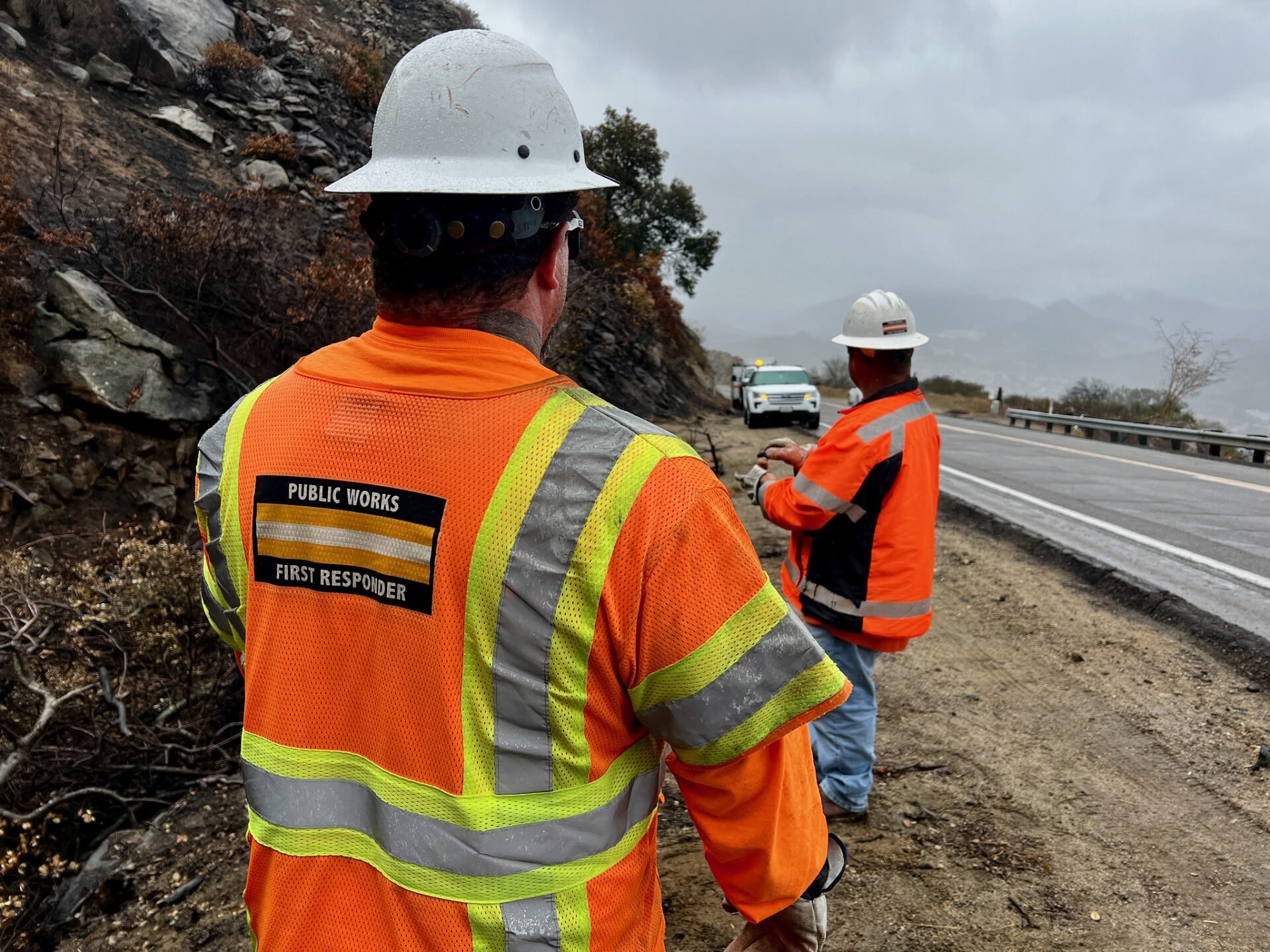
The declaration triggers concrete state action. The California Department of Transportation (Caltrans) must pre-position road-closure devices, traffic-control equipment and warning signs near highways at risk of flooding, mudslides and debris flows. Caltrans has 30 days to deliver a prioritized list of at-risk highways, bridges and drainage facilities to the Governor's Office of Emergency Services (CalOES).
The California National Guard is authorized to prepare personnel and equipment for flood response, search and rescue, heavy-lift aviation, debris removal and emergency communications.
For La Jolla's bluff-lined coast, one provision stands out. The California Coastal Commission must expedite permit reviews: five days to flag incomplete applications, scheduling at the next commission meeting once complete, and 24-hour turnaround on emergency permits. The California Environmental Protection Agency and Natural Resources Agency must fast-track permitting for flood prevention, levee repairs, vegetation management and channel improvements, with a joint recommendation due to the governor's office by Friday, Oct. 16.
The proclamation also suspends competitive bidding requirements so agencies can quickly contract for materials and services.
CalOES Director Caroline Thomas Jacobs said in a statement that officials are "not waiting for this season's storms to be on our doorstep."
The emergency declaration escalates beyond the San Diego County Board of Supervisors' Sept. 16 vote to create a countywide storm-readiness hub, as we reported Sept. 17. That county effort directed staff to develop a preparedness plan for flood-prone unincorporated communities by Oct. 6.
Local preparation preceded the declaration. The La Jolla Coastal Conservancy hired SoCal Outdoor Solutions to perform erosion-prevention work on Coast Walk Trail through Sept. 18, starting near Torrey Pines Road and finishing south toward the Cave Store. Conservancy chair Brenda Fake said the goal is to "first get the trail safely through the winter," with a fuller restoration planned for spring, the San Diego Union-Tribune reported Sept. 17.
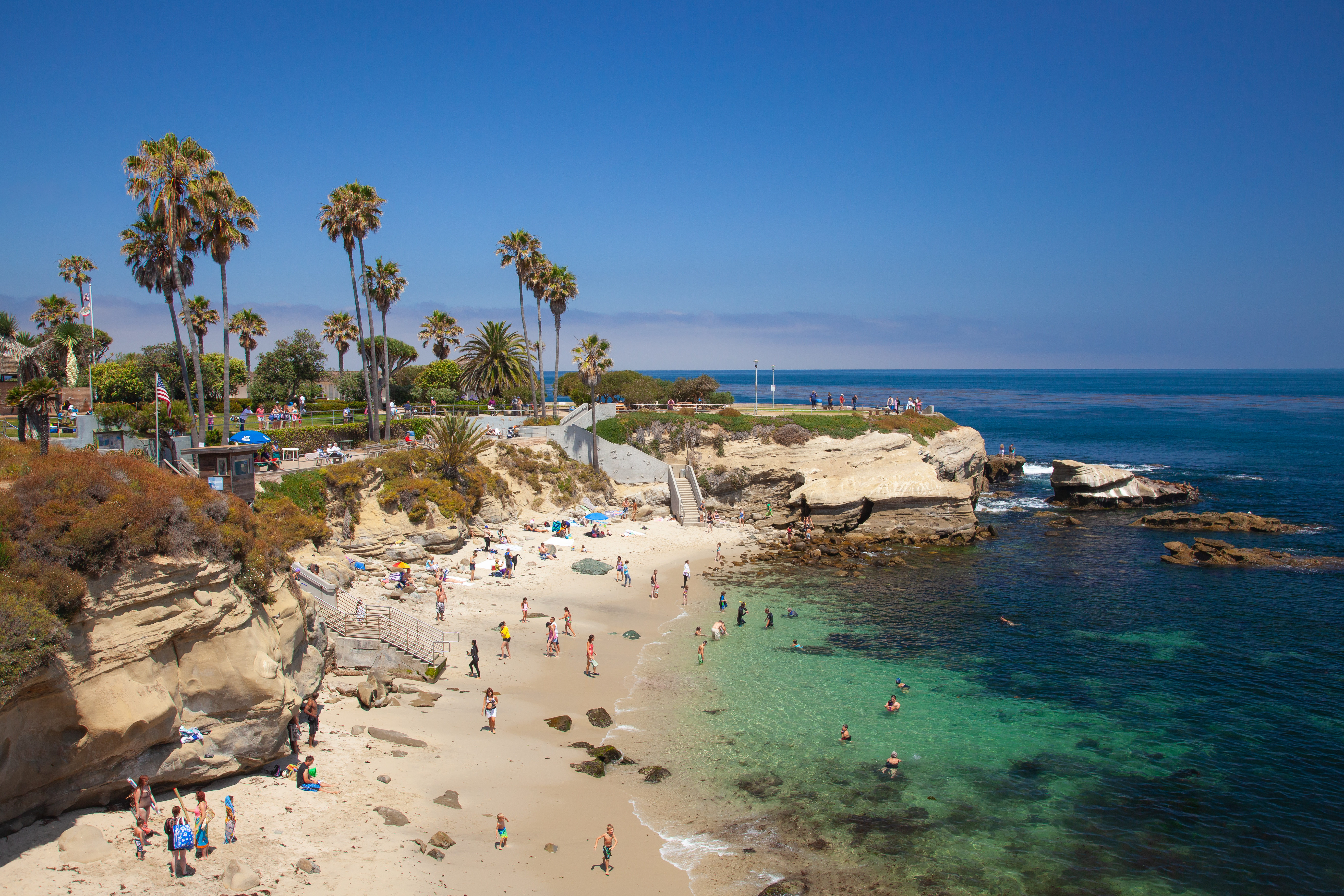
El Niño effects are visible in La Jolla. The annual La Jolla Cove Swim, scheduled for Sept. 13, was cancelled after race director Aaron Brennan found high tides and significant beach erosion had left no rock-free beach available. Scripps Institution of Oceanography recorded 42 record-high ocean surface temperature readings at its La Jolla pier through August 2026, Times of San Diego reported.
In an Aug. 20 analysis, Scripps coastal geomorphologist Adam Young, a scientist who studies how coastlines change, described El Niño as a "triple threat" for California's coast, with increased rainfall triggering landslides, powerful waves accelerating bluff erosion and sea levels rising 6 to 13 inches, according to Scripps.
Residents can track storm preparedness updates through the county's new resource hub and monitor coastal conditions through Scripps' Coastal Data Information Program.