Parham Ramezani-Rad has launched a new research lab at La Jolla Institute for Immunology (LJI) focused on decoding how the immune system's B cells learn to fight viruses like HIV.
Ramezani-Rad, a research assistant professor, opened the Rad Lab at LJI's campus in UC San Diego's Research Park, the institute announced Wednesday, Sept. 23. The lab studies what makes some B cell responses succeed while others fade, research that could shape the next generation of vaccines and treatments for HIV, influenza and cancer.
"Every immune response is a series of decisions," Ramezani-Rad said. "I want to understand the rules that determine which B cells succeed, which are lost, and ultimately which antibodies are made."
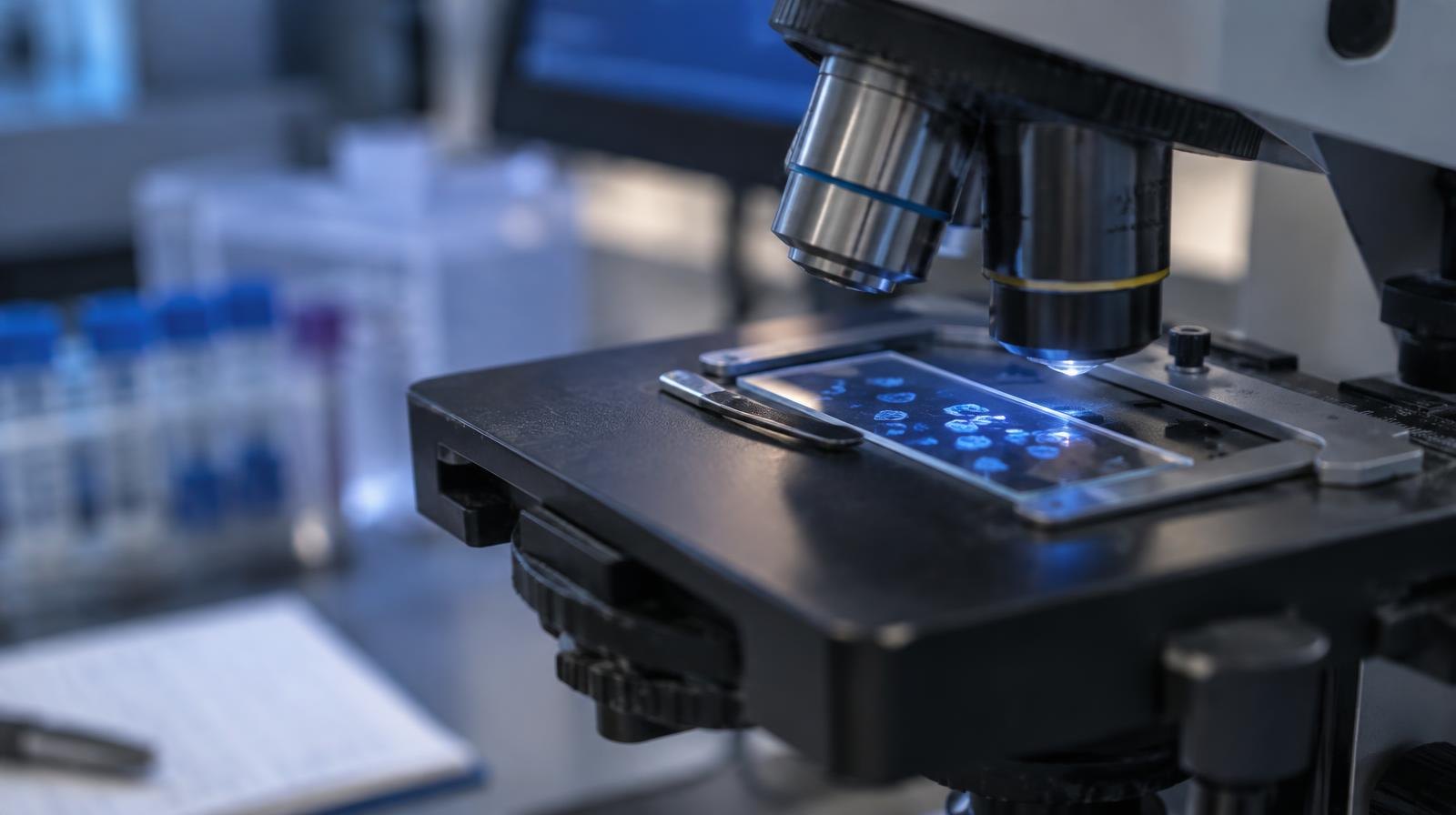
B cells are white blood cells that produce antibodies. When a vaccine or infection triggers the immune system, B cells gather in temporary structures called germinal centers inside lymph nodes. There, they compete and refine their antibody receptors over multiple rounds. The winners become plasma cells, which produce large amounts of antibodies, or memory B cells, which can restart a defense years later.
HIV makes that process harder. The virus hides its most vulnerable spots and mutates so fast that antibodies often target a version that no longer exists, according to LJI.
The Rad Lab has backing from the National Institutes of Health (NIH). Ramezani-Rad has NIH funding to study how mRNA vaccines shape B cell learning and what it would take to build long-lasting immunity against HIV. The grant amount has not been disclosed.
His work builds on a July 30, 2025, study published in Science Translational Medicine in which Ramezani-Rad and collaborators showed an experimental mRNA vaccine could steer B cells to produce HIV-targeting antibodies in an animal model. LJI houses a Center for Vaccine Innovation, one of four research centers at the nonprofit institute.
Before joining LJI, Ramezani-Rad studied B cell leukemia as a graduate student, then shifted to how B cells generate protective responses against difficult viruses. His new lab sits at 9420 Athena Circle, inside the cluster of immunology and biotech facilities surrounding UC San Diego.
The NIH-funded research will focus on whether mRNA vaccine designs can guide B cells to produce antibodies strong enough and lasting enough to protect against HIV.