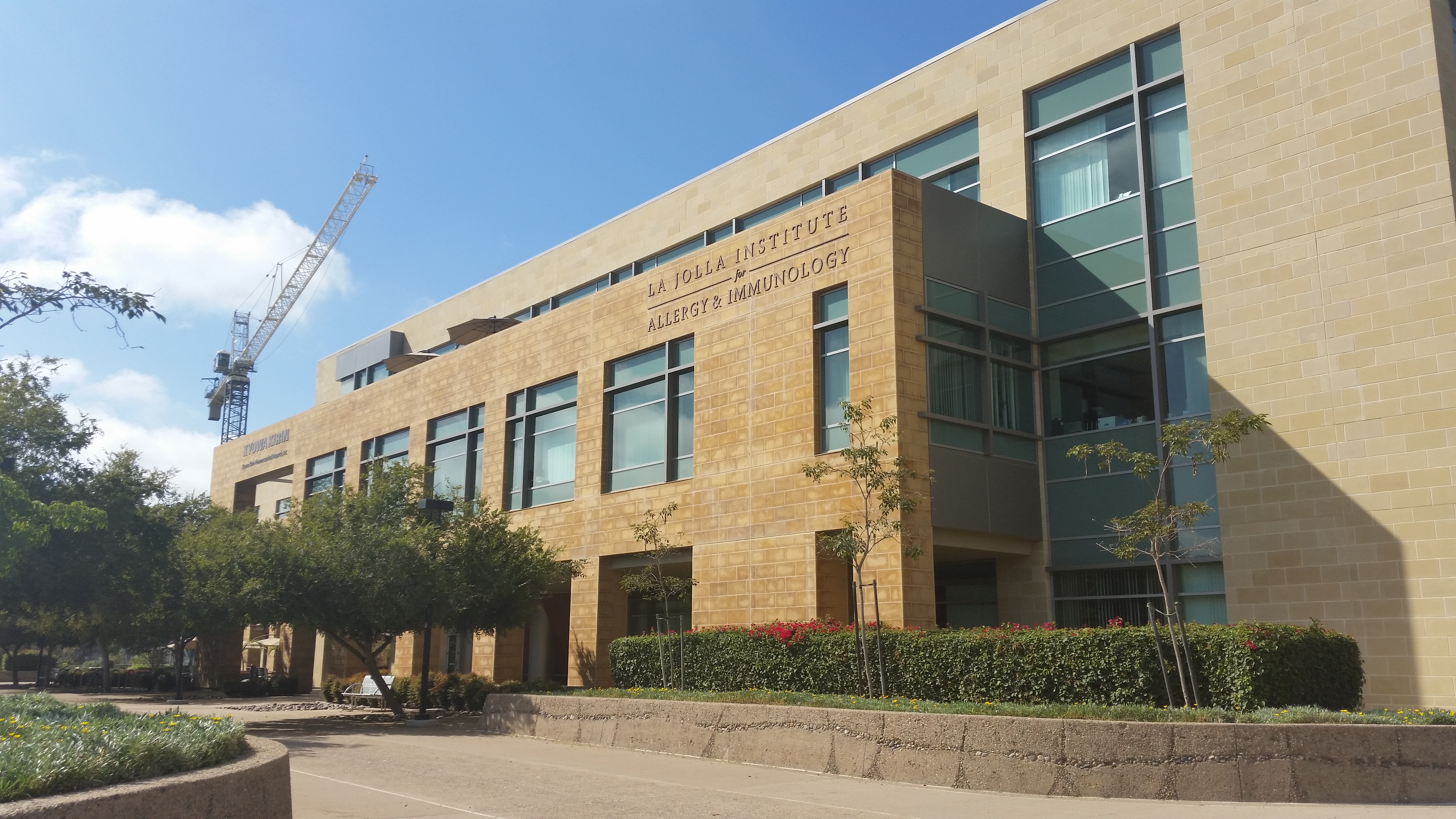
Scientists at La Jolla Institute for Immunology have built a free online database that lets researchers worldwide search immune cell genetics data in one place.
The database, called FITdb (Functional Immunogenomics and Transcriptomics database), integrates data from 43 independent genetic screens covering more than 20,000 mouse genes and 22,000 human genes across 199 immune cell types, according to the institute. LJI assistant professor Miguel Reina-Campos directs the project.
The platform solves a practical problem. Genetic screening data from immune cell studies has been scattered across hundreds of published papers and supplementary files. FITdb pulls those datasets together and standardizes them so scientists can search by gene name and see how a genetic change affects immune cell behavior.
That search works in reverse, too. Researchers can explore which genes or regulators might serve as targets for manipulating immune cells to fight cancers or viruses, according to LJI.
Reina-Campos and his colleagues published their work in the journal Nucleic Acids Research. The paper describes two built-in tools: "Compare MyGeneSet," which finds overlaps between a user's gene list and FITdb's functional gene sets, and "Compare MyScreen," which lets scientists compare their own screening data against existing datasets.
Drug developers can also use FITdb to check whether potential drug molecules cause unintended effects in specific immune cell types, according to LJI.
The Reina Lab has already put FITdb to work internally. The team used it to study transporter proteins called LAT and LAT2, comparing data across CRISPR datasets to identify regulators of those proteins' expression. That analysis turned up two unique inhibitors and two unique promoters, giving the team new insight into T cell rest and activation.
LJI start-up funding to the Reina Lab and support from the institute's Information Technology Department made the project possible. Reina-Campos credited Michael Scarpelli, LJI vice president of information technology and core services; Michael Talbott, LJI IT director; and professor Bjoern Peters for their guidance during development. Full-stack developer Kevin Kim helped build the platform and organize the screening data.
The 43 screens in FITdb include 31 bulk and 12 single-cell screens drawn from 29 peer-reviewed publications plus three unpublished screens from the Reina Lab or collaborators, according to the Nucleic Acids Research paper. The database is designed to keep growing as new screens become available.
FITdb is free to use at fitdb.lji.org.