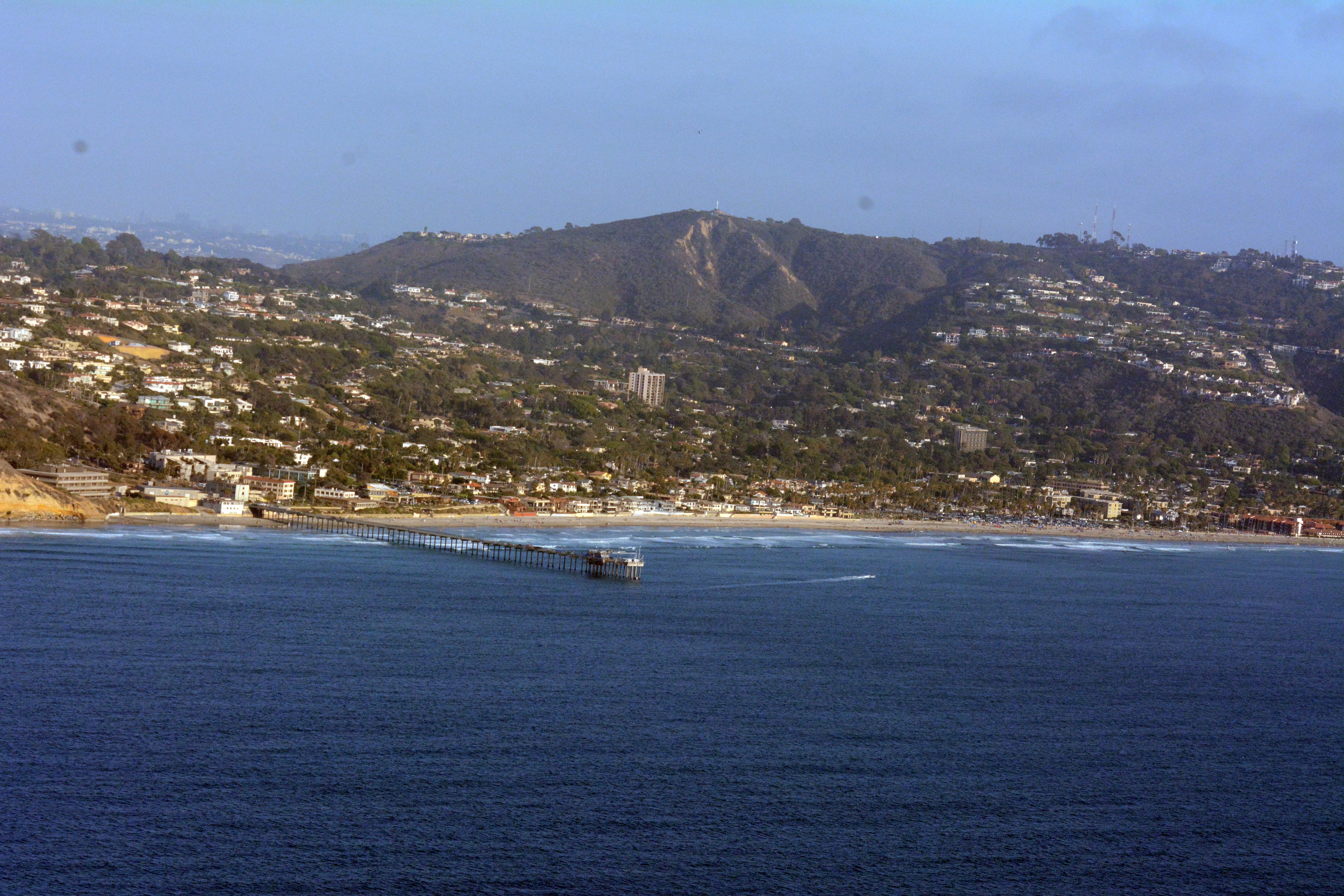
San Diego's coastal resilience project for La Jolla Shores has not begun preliminary engineering because of budget constraints, city spokesman Peter Kelly told Times of San Diego, even as forecasters put the probability of a very strong El Niño this fall and winter above 90 percent.
The San Diego City Council approved a Coastal Resilience Master Plan in September 2025 that identified La Jolla Shores as a priority site for shoreline protection. The La Jolla Shores and Mission Beach projects have not advanced beyond conceptual stages, Kelly said, while resilience work at Tourmaline Surf Park, Ocean Beach and Sunset Cliffs is in the initial engineering design phase.
The National Oceanic and Atmospheric Administration (NOAA) reports equatorial Pacific ocean temperatures running 3.6 degrees Fahrenheit above average. A record 42 ocean surface temperature records were set at the Scripps Pier in La Jolla through late August 2026.
Gov. Gavin Newsom declared a statewide emergency on Monday, Sept. 21, to fast-track permitting for flood-protection work and stage emergency supplies. As we reported that day, the declaration affects coastal communities across California.
La Jolla already has a preview. Erosion and high tides forced organizers to cancel the 110th annual La Jolla Cove Swim on Wednesday, Sept. 9.
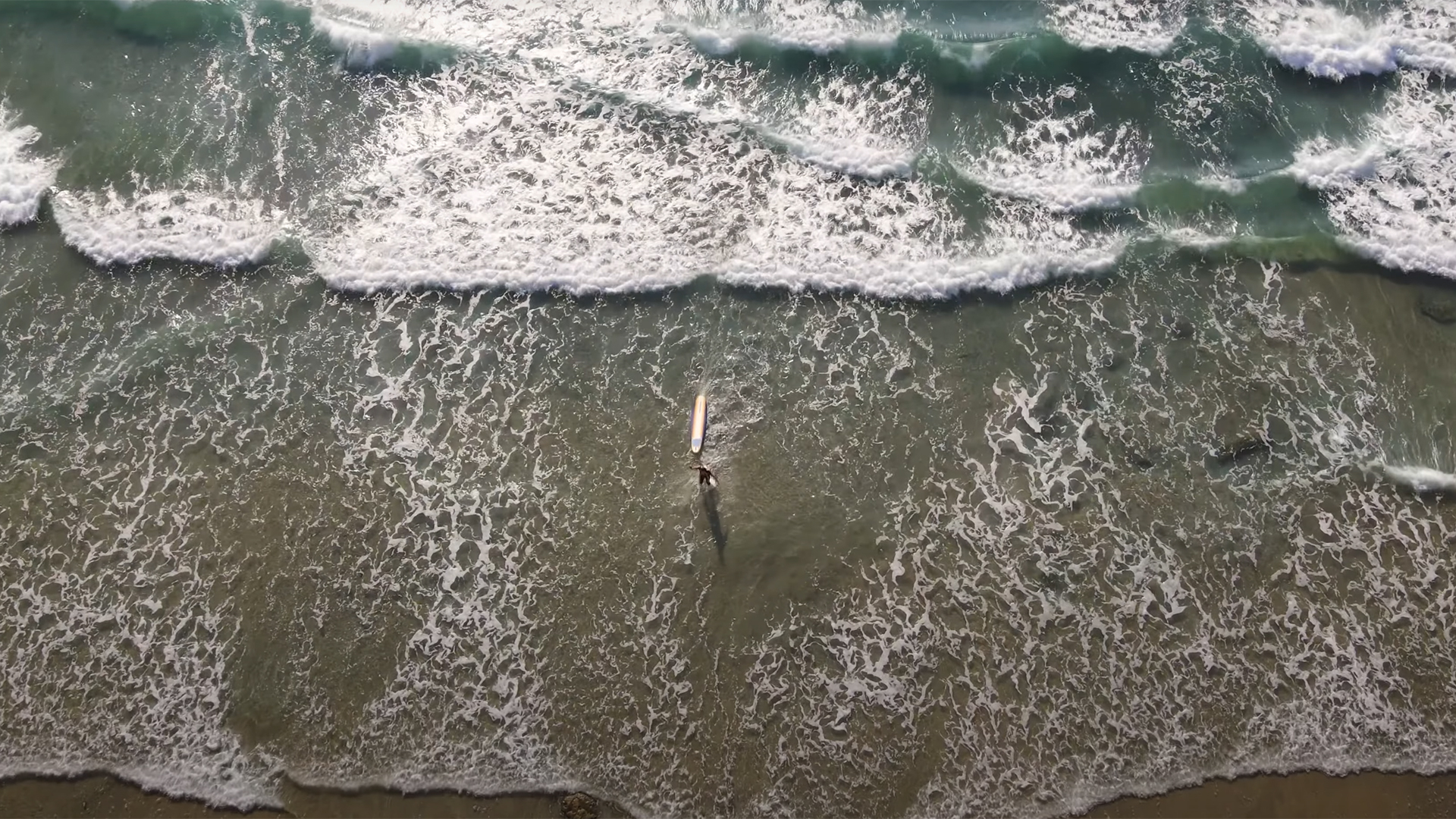
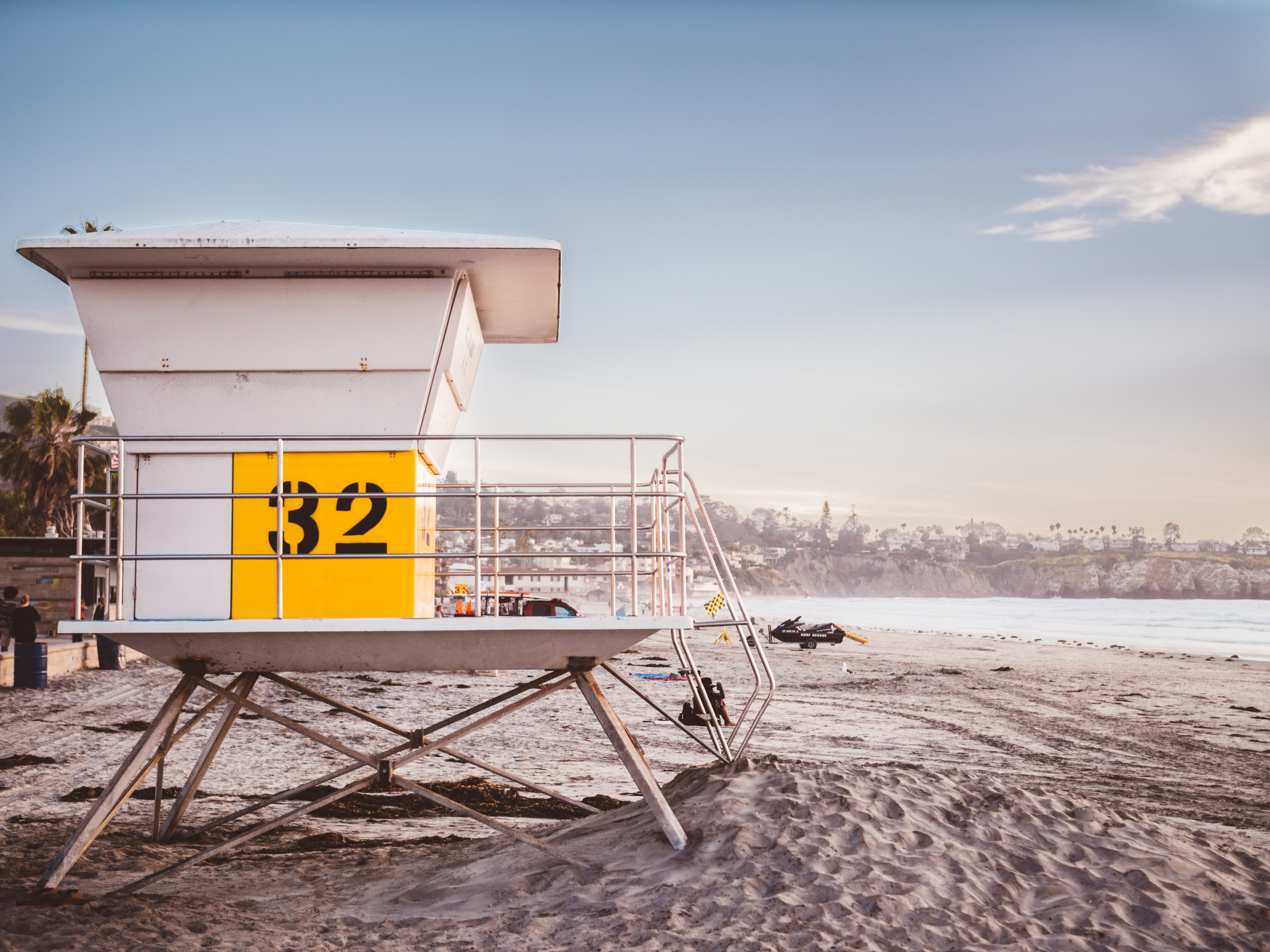
During the 2015-2016 El Niño, Adam Young, a coastal geomorphologist at Scripps Institution of Oceanography, led a research team that documented more than 260 feet of coastline retreat and roughly three feet of elevation loss at La Jolla Shores and Black's Beach after powerful waves stripped away sand.
"El Niño conditions can generate a triple threat for coastal hazards in California," Young wrote in an Aug. 20 analysis published by Scripps. "Increased rainfall triggers landslides; powerful waves can accelerate erosion of beaches, sea cliffs, and bluffs … and strong El Niño conditions can raise sea level on the California coast by 15 to 30 centimeters."
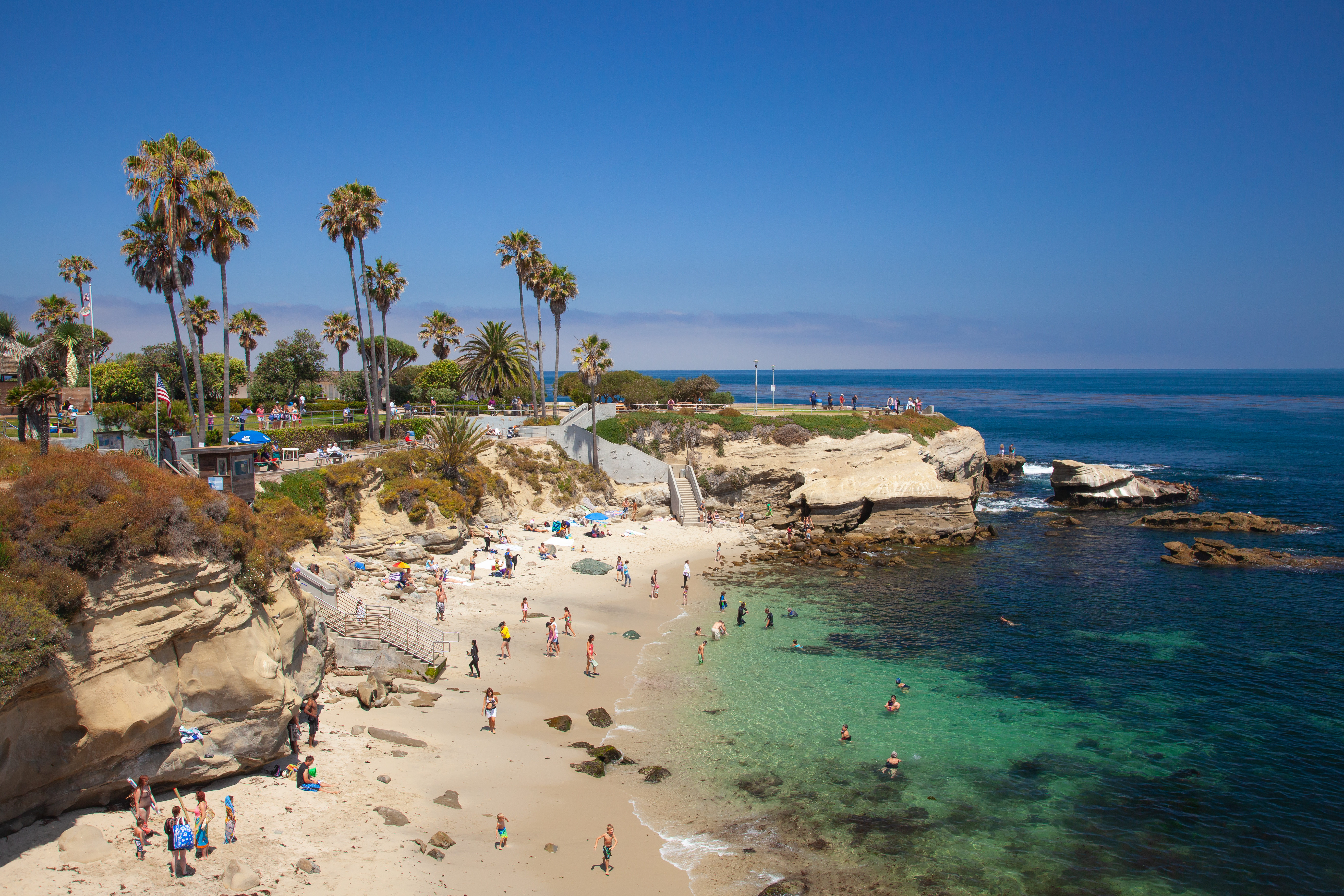
That sea-level rise of 6 to 13 inches matters at La Jolla Shores because Kellogg Park floods when sea level rises approximately 2.5 feet, particularly during storms combined with high tides.
Other La Jolla landmarks face their own risks. Lisa Chaddock, a professor of physical sciences at San Diego City College, told Times of San Diego that Bird Rock and Calumet Park are in a precarious position because cliff-side homes there rest on sandstone. A repair plan for the 5300 block of Calumet Avenue was approved in August 2026, according to Times of San Diego, and nearby homeowners are seeking emergency permits from the California Coastal Commission.
Chaddock also warned that North Torrey Pines Road sits on unstable ground near a significant wetland. Significant bluff retreat could threaten northbound traffic and public access to Torrey Pines State Beach.
The Mushroom House, a concrete residence built in 1968 at the southern base of Black's Beach, could also be endangered by erosion. GDC Construction, described as responsible for its maintenance, did not respond to Times of San Diego inquiries about storm preparations.
The Windansea Surf Shack, standing since 1947, was destroyed by El Niño storms in 2003 and again in 2015. Local surfers and volunteers rebuilt it both times by recovering pieces washed into the sea.
The city is taking some near-term steps. It is installing sand berms along Mission Bay and other beaches to absorb wave energy. San Diego is also sending flood-preparedness flyers to approximately 7,000 properties in high-risk flood zones. Free sandbags are available at county and CAL FIRE sites listed at alertsandiego.org.