Rep. Scott Peters wants the federal government to start pulling carbon dioxide out of the air at industrial scale, and he says San Diego County could host the facilities to do it.
Peters, a La Jolla resident who represents California's 50th Congressional District, is co-sponsoring the Carbon Dioxide Removal Leadership Act of 2026. The bill would direct Energy Secretary Chris Wright to build a carbon removal program inside the Department of Energy (DOE), Times of San Diego reported Wednesday, Sept. 2.
Rep. Paul Tonko, a New York Democrat, introduced the House version, H.R. 9975, on July 27. Sen. Christopher Coons filed a Senate companion, S. 5170.
The legislation has five goals: increase carbon removal, create a tracking and reporting system, drive down costs, support new technology and generate domestic jobs.
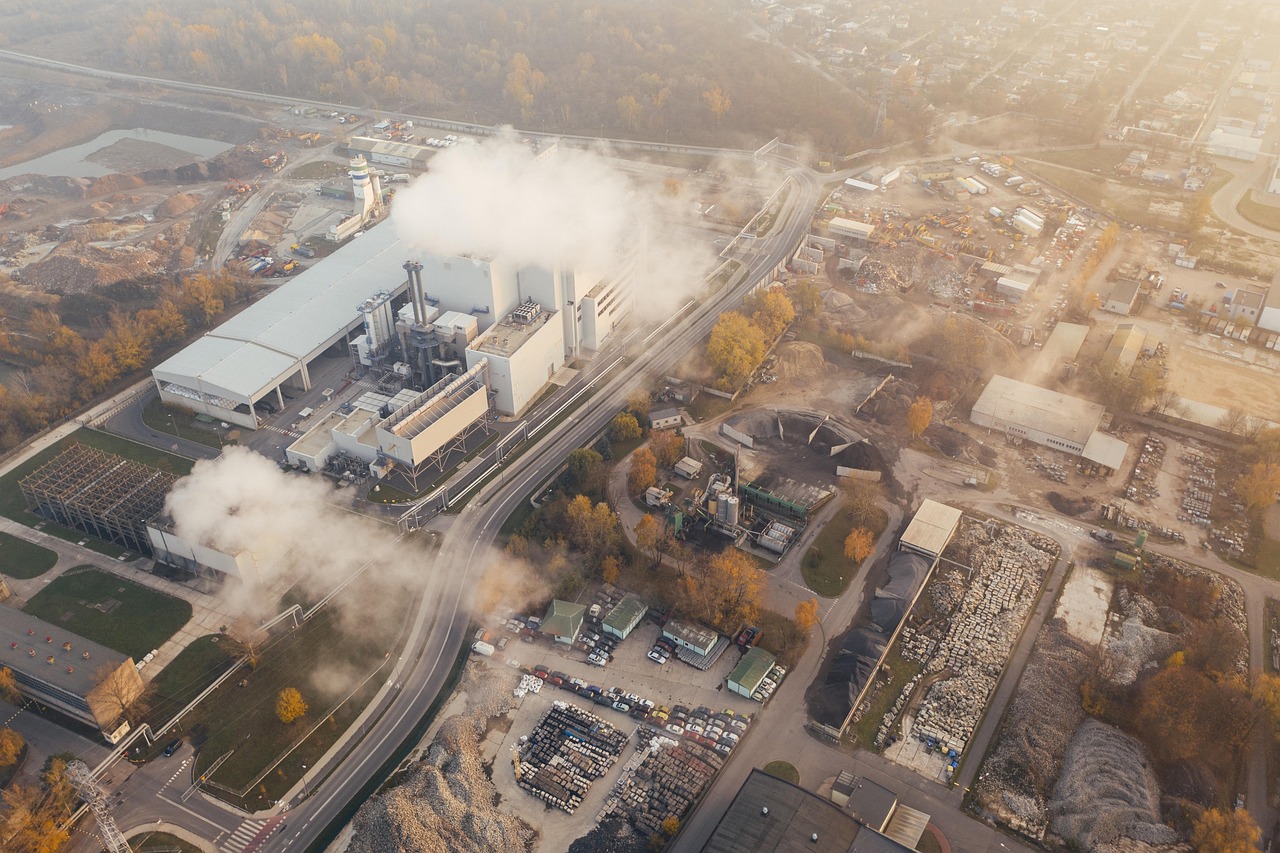
Its centerpiece is direct air capture, a process in which large fans draw in ambient air and pass it through chemical filters at industrial plants. The bill also supports development of other removal methods.
Why it matters in La Jolla
Sea levels at La Jolla have risen about 8 inches over the past century, according to the California Office of Environmental Health Hazard Assessment's climate indicators report, last updated in October 2025. San Diego's sea levels are expected to rise five to 14 times faster this century than the last, according to the city's Coastal Resilience Master Plan, which the City Council adopted Sept. 9, 2025.
That plan found that by 2050, sea level rise and storm surge could put $208 million to $370 million in public assets at risk along San Diego's shoreline. La Jolla Shores is one of six pilot sites the plan prioritizes.
Peters told Times of San Diego that San Diego faces climate threats from sea level rise, wildfires and flooding. He said the federal government needs to lower emissions and slow the rate of climate change.
Peters, who chairs the New Democrat Coalition's Climate Change and Clean Energy Task Force, said San Diego lacks heavy industry and could benefit from hosting direct air capture plants. The technology requires large tracts of land and "could be set up in our county as well as any place else," he said.
Skeptics see long odds
Two carbon removal experts interviewed by Times of San Diego said they do not expect the bill to pass in the current Congress.
Erin Burns, executive director of the advocacy group Carbon180, said congressional enthusiasm for carbon removal has not faded but called the broader political climate the bigger obstacle. She said Congress is not passing much legislation right now, especially on climate.
Wil Burns, co-director of the Institute for Responsible Carbon Removal at American University, said carbon removal remains "one of the few things that the (Trump) administration has not been openly hostile to." He cautioned that direct air capture requires geologically stable underground storage and pipelines to transport captured CO2, infrastructure that does not yet exist at scale.
No committee hearing date for H.R. 9975 has been announced.