Sea turtles nested on a U.S. West Coast beach for the first time in recorded history in September. Data from La Jolla's Scripps Pier helps explain why.
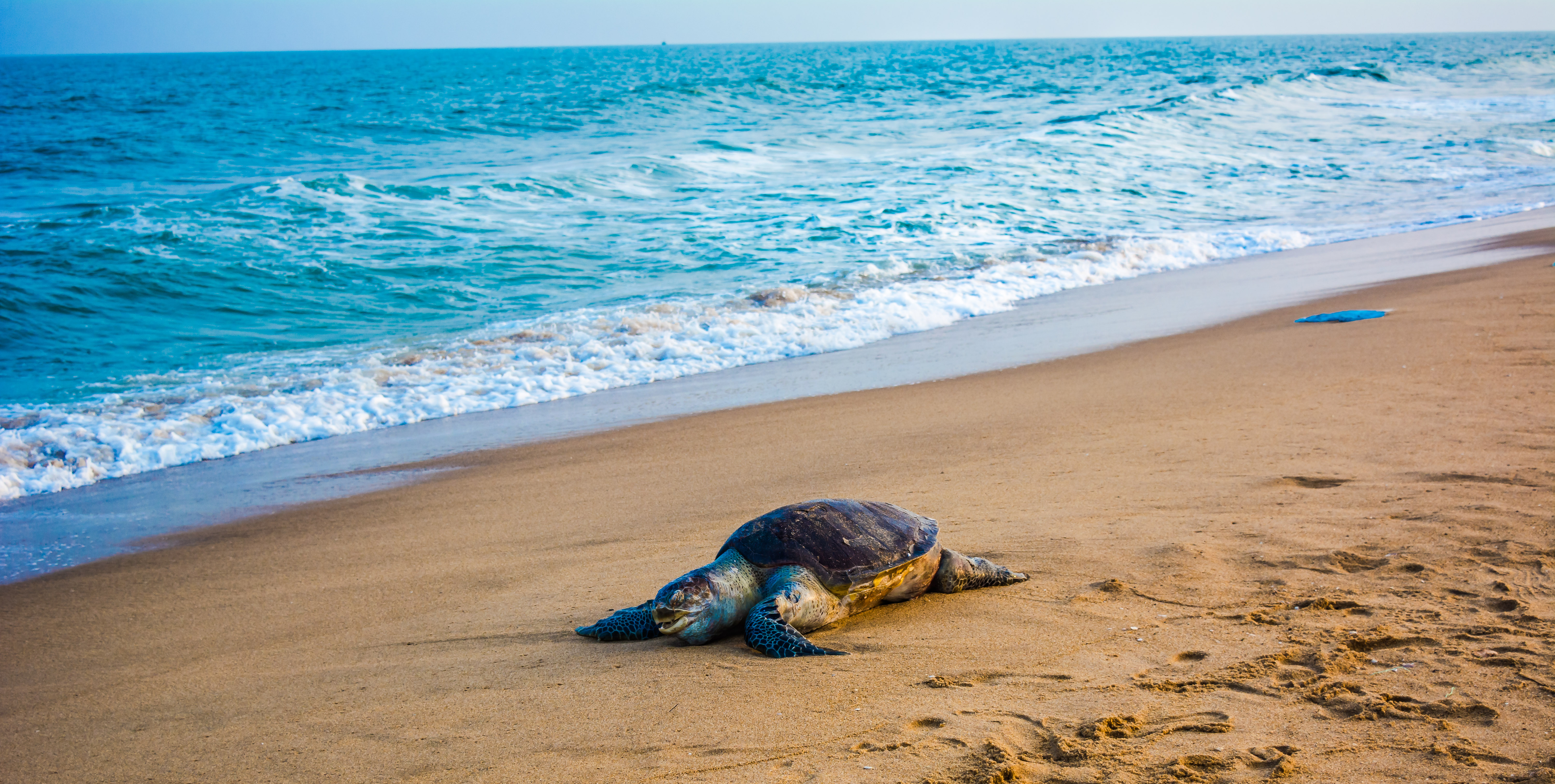
An olive ridley sea turtle dug a nest and laid eggs near Seal Beach in Orange County on Wednesday, Sept. 16, NOAA Fisheries West Coast announced. Three days later, a turtle nested again near the Huntington Beach Pier. NOAA said it is unclear whether the same turtle made both nests.
The agency called it the first-ever recorded natural nesting for any sea turtle species on the West Coast. Olive ridleys have occasionally been spotted in Southern California waters following warm currents, but the species had never been documented nesting in the United States.
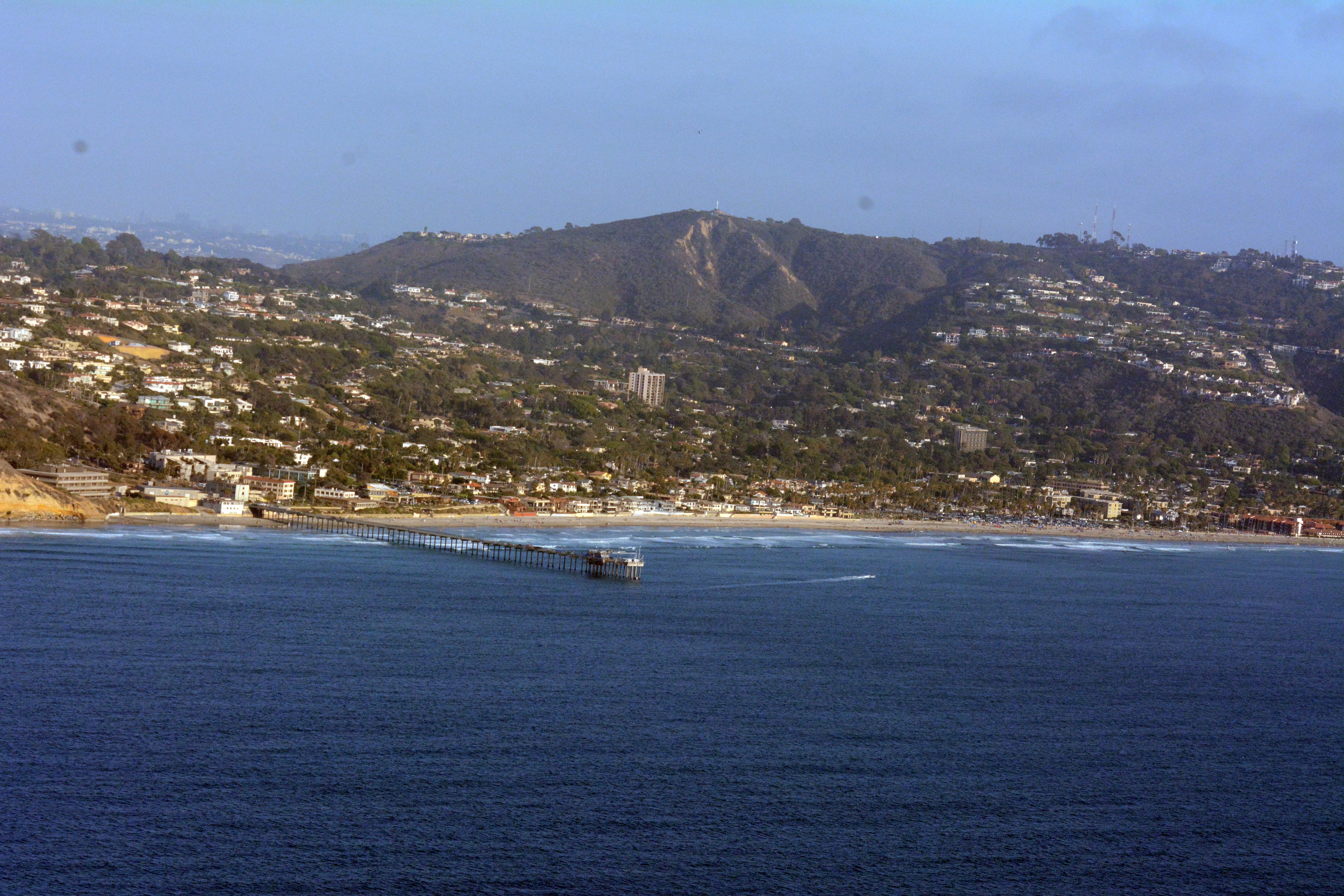
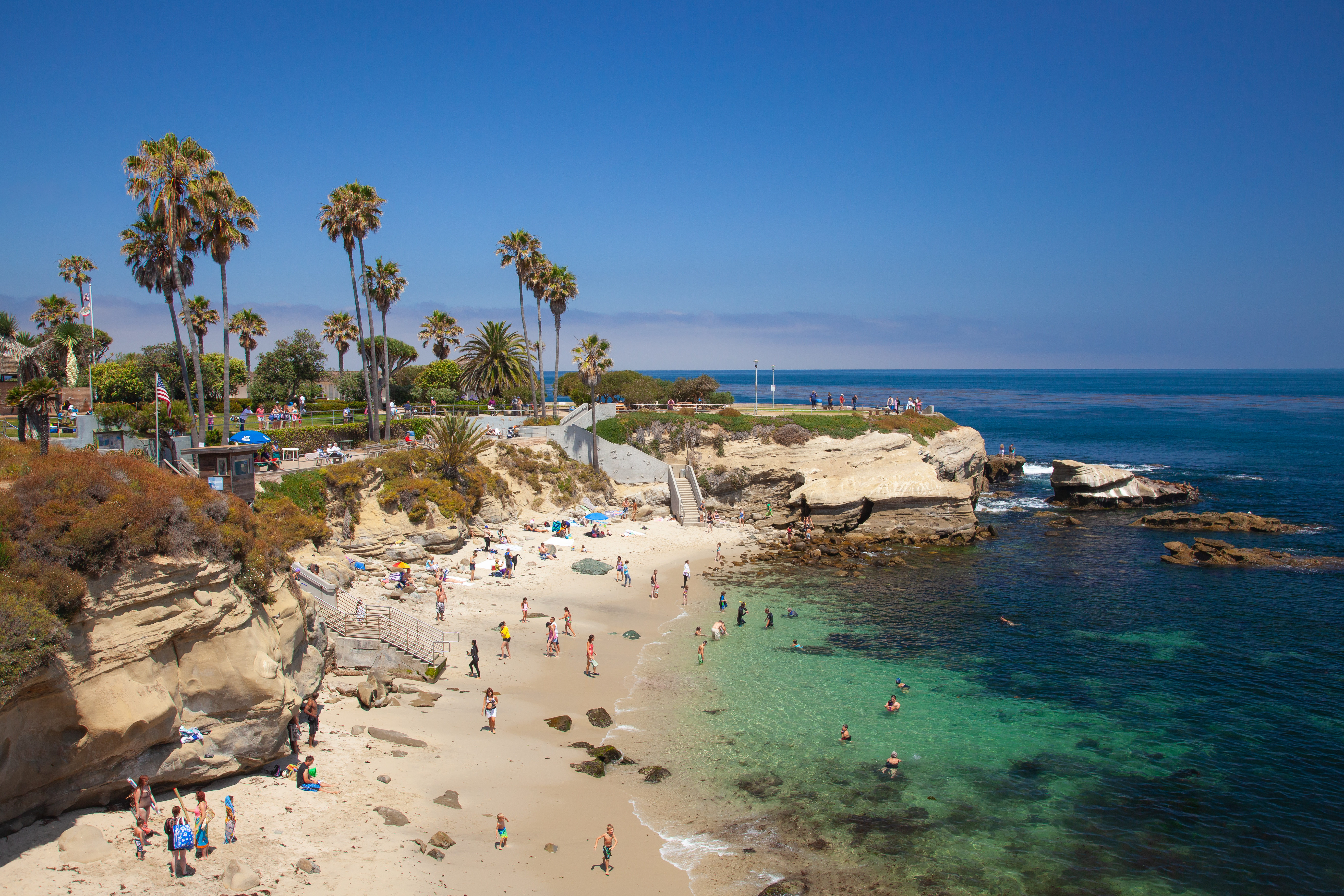
The nesting coincides with extraordinary ocean warming tracked at Scripps Institution of Oceanography in La Jolla. The Shore Stations Program at Scripps Pier recorded 42 days of record-high water temperatures in 2026 as of mid-August. On Monday, Sept. 21, the ocean at Scripps Pier hit 74 degrees Fahrenheit, tying the all-time record for that date, Fox 5 San Diego reported.
In August, the sea-bottom temperature at Scripps Pier reached 76.6 degrees, nearly 10 degrees above average, according to NBC San Diego.
Art Miller, a research oceanographer at Scripps, said a persistent marine heat wave has been prevalent off the West Coast and Baja California since early 2026. Weak coastal upwelling in Southern California has compounded the warming, according to a Scripps analysis. A strengthening El Niño is also fueling the trend.
Melissa Carter, director of the Shore Stations Program at Scripps, told NBC San Diego in May that extreme temperatures can emerge from persistent high-pressure systems in the North Pacific. As of May, 38 daily temperature records had already been broken at Scripps Pier that year.
Trevor McDonald, a Marine Safety Division chief with the Huntington Beach Fire Department, told the Los Angeles Times that lifeguards discovered the second nest while on patrol the evening of Sept. 19. "I didn't know it was such a historic thing — it's a huge deal," McDonald said.
Both nesting sites have been fenced off with interpretive signage. A coalition of local, state and federal partners, including NOAA, U.S. Fish and Wildlife Service and the California Department of Fish and Wildlife, is monitoring the eggs. The incubation period typically lasts 45 to 60 days, meaning the eggs could hatch between late October and mid-November.
Olive ridleys are the smallest sea turtles, weighing up to 100 pounds and measuring about 2.5 to 3 feet long. They are protected under the Endangered Species Act.
Record-high temperatures have been tracked at all 10 Shore Stations sites along the California coast in 2026, not just at Scripps Pier. As we reported Sept. 21, Gov. Gavin Newsom declared an El Niño emergency affecting the La Jolla coast.
Residents who spot a stranded sea turtle can call the NOAA Fisheries West Coast Stranding Hotline at (562) 506-4315.