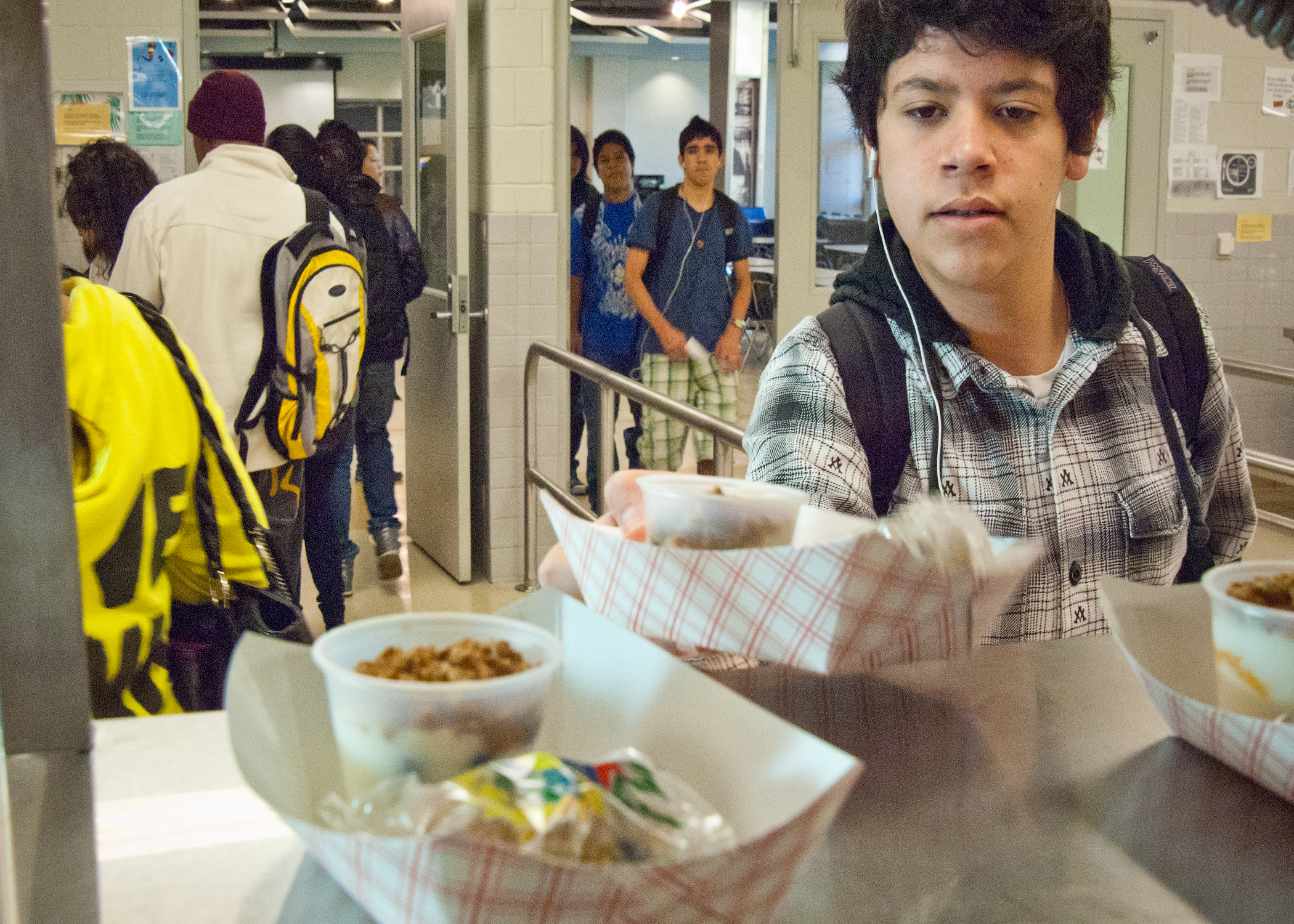
Federal cuts to food stamps could squeeze free meal funding at La Jolla High School, Muirlands Middle School, Bird Rock Elementary and other San Diego Unified campuses.
More than 1 million children nationwide have lost access to the Supplemental Nutrition Assistance Program (SNAP), and the decline is reshaping how schools qualify for federal meal dollars. Between May 2025 and May 2026, SNAP enrollment fell by 5.6 million people, a 13.5% drop far steeper than the Congressional Budget Office originally projected, Stateline reported Sunday, Sept. 6.
The drop followed the One Big Beautiful Bill Act, signed in July 2025. The law tightened eligibility and work requirements, including ending a work-requirement exemption for parents of children 14 and older.
California is one of nine states that fund free meals for all K-12 students, a protection that should buffer families for now, according to the Stateline report. But the shield has limits.
How the formula works
The federal Community Eligibility Provision (CEP) reimburses schools based on the share of students enrolled in SNAP and similar programs, NPR reported. A school needs at least 25% of its students identified through those programs to qualify. At 62.5% or higher, the federal government covers the full cost.
As SNAP enrollment drops, fewer students count toward that formula. Schools with mixed income levels are most vulnerable, according to Diane Pratt-Heavner, spokesperson for the School Nutrition Association.
"Cuts to SNAP are not going to stop at the grocery store," said Clarissa Hayes, deputy director of child nutrition programs and policy at the Food Research & Action Center. "They really are going to threaten children's access to school meals … and is going to have that negative ripple effect across children's health and academic performance."
What it means for SDUSD
San Diego Unified planned to serve more than 17 million meals during the 2026-27 school year through its Sandi Coast Cafe program, according to the district's meal announcement. The district already faces a projected $47 million budget deficit for 2026-27, driven in part by what officials called "uncertainty in state and federal funding."
In San Diego County, nearly 400,000 people received CalFresh benefits as of November 2025, including more than 130,000 children, according to a statement from county Supervisor Terra Lawson-Remer. Those figures predate the federal cuts and may no longer reflect current enrollment.
The risk is already playing out elsewhere. Miami-Dade County Public Schools, Florida's largest system, announced this summer it could no longer offer free meals at all 500-plus schools after its federal reimbursement eligibility changed. Universal free meals remain at 121 of its campuses. Students at the rest must now apply individually.
Families that lose free-meal access could face roughly $1,000 per student per year in meal costs, according to the Center for American Progress, as cited by NPR.
What families should know
Students who lose SNAP coverage keep their free school meal enrollment for a 30-day grace period. Some may still qualify if families submit additional paperwork to the district.
No SDUSD-specific data on how many La Jolla-area students are directly certified through SNAP has been released. The district has not publicly addressed how the federal cuts will affect its CEP participation or meal funding formula.
Rep. Raja Krishnamoorthi, D-Ill., asked the USDA in an Aug. 27 letter to deliver a state-by-state assessment of the law's impact on school meals by Thursday, Sept. 10, K12 Dive reported. That report, if completed, could clarify the scope of the threat in California.