A federal judge blocked a rule that would have forced international students to finish degrees within four years. The ruling preserves the status quo for roughly 8,134 international students at UC San Diego.
U.S. District Judge F. Dennis Saylor IV issued the preliminary injunction on Sept. 14, one day before the rule was set to take effect, according to court records from the U.S. District Court for the District of Massachusetts. The rule remains on hold.
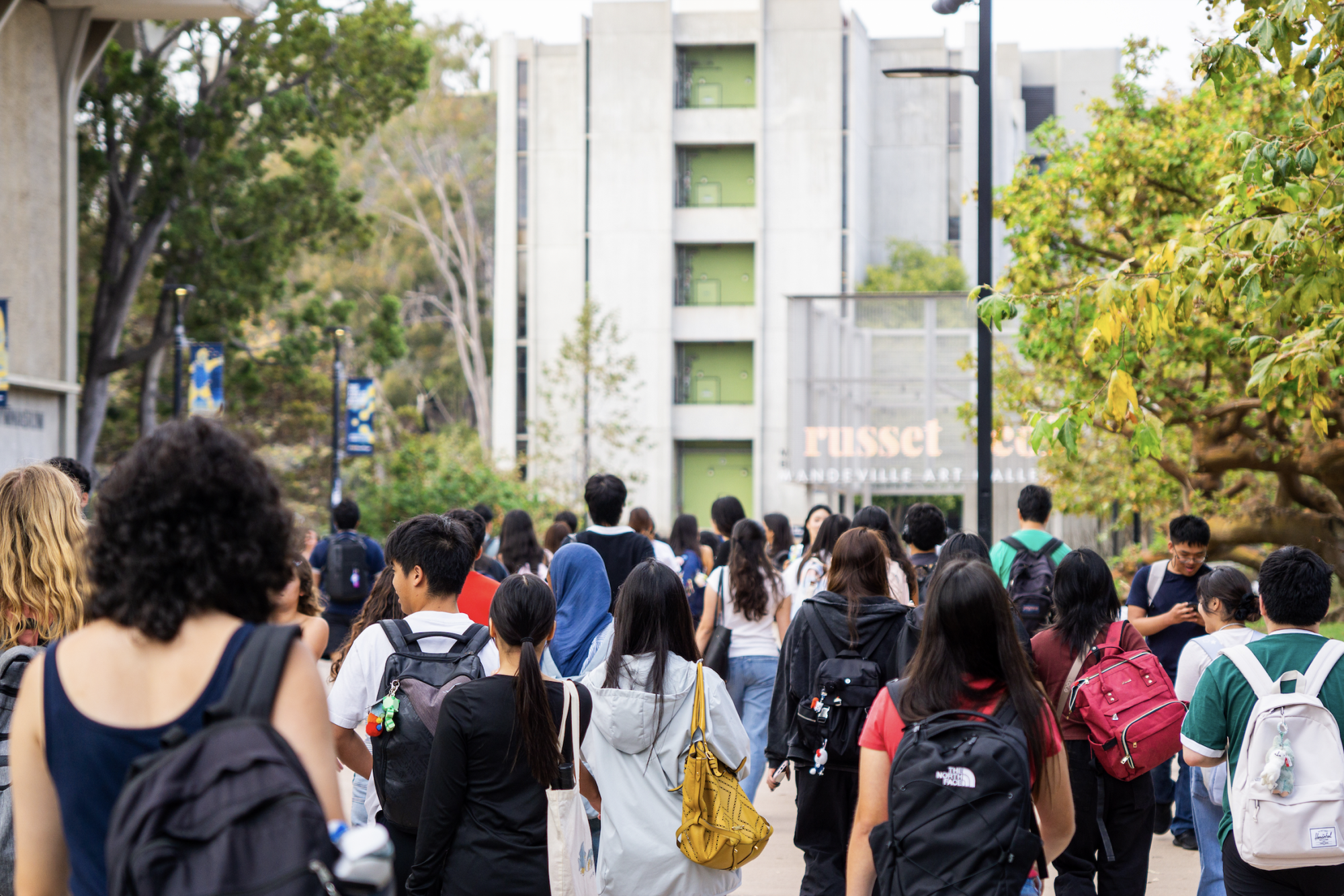
International students make up nearly one in five UCSD students. In fall 2024, the most recent data available from UCSD's International Services and Engagement Office (ISEO), 8,134 international students attended the university, about 18.6% of the campus population, The UCSD Guardian reported.
What the rule would have changed
The Department of Homeland Security (DHS) rule, published in the Federal Register on July 17, would have replaced the "duration of status" framework that has governed F-1 student visas since 1978. Instead of allowing students to stay as long as their program required, the rule imposed a hard four-year cap.
Students needing more time would have had to file a formal Extension of Stay request with U.S. Citizenship and Immigration Services (USCIS). That process is entirely discretionary and cannot be appealed, according to the court's memorandum.
The rule also would have cut the post-graduation grace period from 60 days to 30 days, barred students from pursuing a second degree at the same or lower level, and restricted graduate students from transferring between institutions.
Why the judge blocked it
Saylor found that DHS likely violated the Administrative Procedure Act (APA), a 1946 federal law governing how agencies create regulations. He wrote that the agency's justification relied on anecdotes rather than evidence.
"[The proposal] is based almost entirely on a small handful of anecdotes, each of which involved incidents that the new rule would do nothing to prevent or even mitigate," Saylor wrote in his Sept. 14 memorandum.
The court also pointed to economic harm. Saylor noted the government's own compliance costs would likely exceed $250 million in the first year. A NAFSA survey cited in the memorandum found that 49% of current international students said they would not have enrolled under the new system.
A coalition including the Presidents' Alliance on Higher Education and Immigration, NAFSA and the American Federation of Teachers filed the lawsuit on Aug. 18.
DHS Secretary Markwayne Mullin defended the rule in a July 16 statement, saying the agency needed to reassert its ability to screen and monitor individuals in the country. About 22,000 commenters responded during a 32-day public comment period, and the vast majority opposed the rule, according to the court's memorandum.
What it means for UCSD students
UCSD's ISEO sent a statement to the campus international student and scholar population on Sept. 15 confirming that F-1 and J-1 students are not currently affected. The duration-of-status framework remains in place.
ISEO said it is monitoring immigration policy developments and directed students to visit ds.ucsd.edu for updates.
The injunction does not permanently strike down the rule. A status conference in the case is scheduled for Friday, Oct. 2, though that hearing concerns scheduling, not the rule's validity.