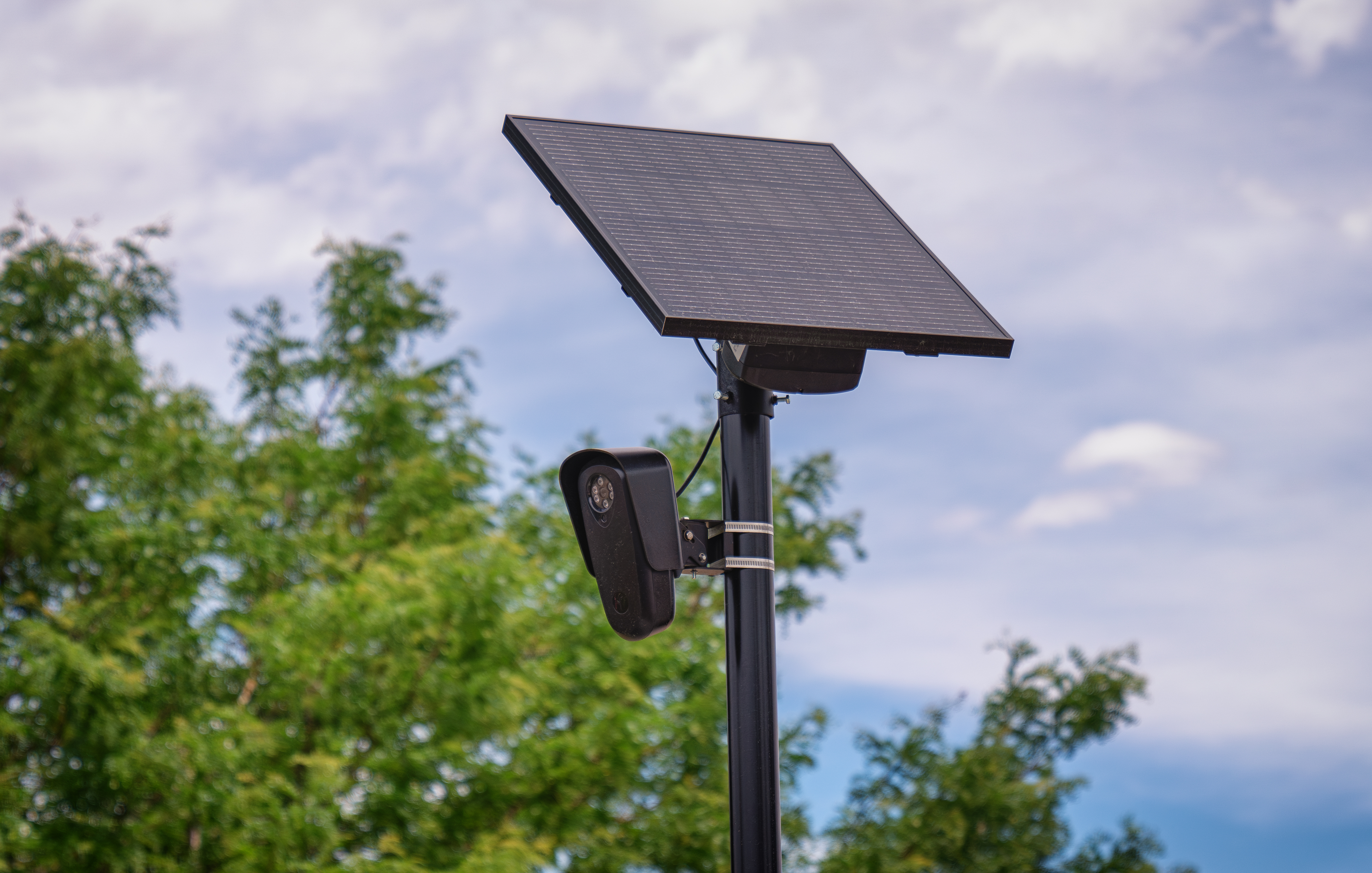
The ACLU Foundation of San Diego & Imperial Counties sued the city Wednesday, Sept. 30, to shut down its network of at least 500 automated license plate reader (ALPR) cameras. The lawsuit, filed in San Diego Superior Court, seeks to force the city to uninstall the hardware and delete all stored data.
Filed on behalf of the Partnership for the Advancement of New Americans (PANA), the suit alleges the system violates the California Constitution's privacy guarantee under Article 1, Section 1. ACLU Legal Director Frederick Carroll told Times of San Diego it is believed to be the first local lawsuit in California seeking to end a city's use of the technology.
The cameras, supplied by Flock Safety under a contract the city entered in November 2023, capture more than license plates. Carroll said at a Sept. 30 press conference that they record "the whole image that the lens sees," including make, model, bumper stickers and even a driver's clothing or tattoos when windows are down.
San Diego has the fifth-densest ALPR camera network of any U.S. city, according to the lawsuit, as first reported by NBC San Diego. The San Diego Police Department retains the data for 30 days and conducted nearly a quarter million retrospective searches of the database last year, according to an ACLU press release.
A separate disclosure reported by Times of San Diego showed SDPD officers searched the system 114,692 times from January through late July 2026. The top reasons were stolen vehicles (19,210 searches), arrest warrants (17,141) and gunfire or weapons offenses (13,221).
The complaint highlights the case of Hugo Parra and Ariel Beltran, two San Diego men arrested on felony charges after a Flock camera in Old Town linked their vehicle to an attempted carjacking in Golden Hill on Nov. 26, 2025. The Flock hit came just 23 seconds after officers five miles away tried to stop the suspect. Parra spent nearly a month in jail before the charges were dropped. Both men filed $1.5 million tort claims against the city. The city denied them, Times of San Diego reported.
The San Diego City Council voted 5-3 in December 2025 to keep the Flock contract, which costs roughly $2 million a year on top of a $7 million installation fee. An SDPD spokesperson said the department could not comment on pending litigation. Mayor Todd Gloria's office did not respond to a request for comment on the lawsuit, NBC San Diego reported. In August 2026, Gloria's office said his support for ALPRs remained unchanged, according to Daylight San Diego.
Councilmember Sean Elo-Rivera, who voted against the contract, said in a statement that concerns about the system have been proven right, citing improper data sharing, misuse of the technology and false arrests.
The lawsuit lands as District 2 candidates debate the technology ahead of the Nov. 3 general election. At a Tuesday, Sept. 29, forum at Liberty Station, deputy city attorney Nicole Crosby said she does not trust Flock aggregating government data for private purposes. Former Coronado Mayor Richard Bailey proposed the city cut its data retention from 30 days to one week and publish searched license plate numbers so residents can check whether they have been surveilled, Times of San Diego reported. District 2 covers Point Loma, Ocean Beach, Pacific Beach and Clairemont, neighboring La Jolla's District 1.
No next court date for the lawsuit has been announced.