A UC San Diego research team has identified a DNA mutation pattern in colorectal cancer that scientists had been misreading for years, a finding confirmed across more than 2,600 tumors and published Wednesday, Aug. 12 in the journal Nature Communications.
The pattern, known as a mutational signature, had shown up in large cancer-genome datasets before. But researchers worldwide had mistakenly interpreted it as a combination of other, already known mutation patterns rather than recognizing it as something distinct, according to UC San Diego.
When the La Jolla-based team took a closer look, they found the pattern was not associated with the biological processes it had been attributed to. They then confirmed the same signature in three independent colorectal cancer datasets comprising 2,616 tumors, establishing it as a genuine, recurring feature of some colorectal cancers.
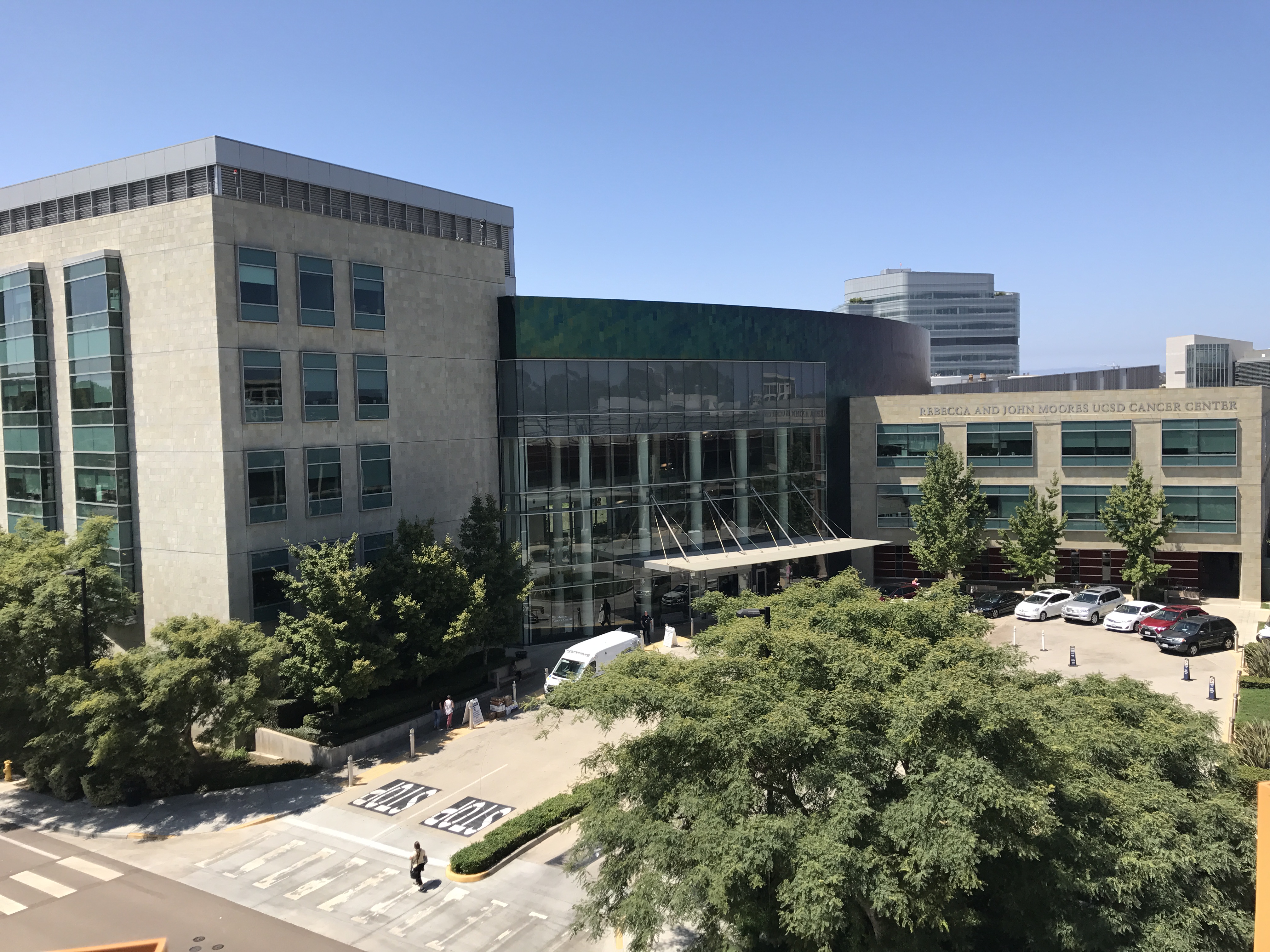
The study was led by first author Mariya Kazachkova and senior author Ludmil Alexandrov, a professor of cellular and molecular medicine and bioengineering at UC San Diego and a member of the Moores Cancer Center.
Why it matters
Colorectal cancer is expected to kill 55,230 Americans in 2026, according to the American Cancer Society. It is the second leading cause of cancer death overall and the number one cause of cancer-related mortality for adults under 50. Incidence is rising 3% per year among people ages 20 to 49.
Rebecca Siegel, senior scientific director of surveillance research at the American Cancer Society, said in March when the group released its 2026 colorectal cancer report that "the risk of dying from colorectal cancer is climbing in younger generations of men and women, confirming a real uptick in disease because of something we're doing or some other exposure."
Understanding what drives mutations in these tumors could shape how doctors detect and treat the disease. Mutational signatures act like fingerprints, revealing which biological or environmental processes damaged a patient's DNA during cancer development.
What the team found
The newly identified signature appears relatively late as colorectal tumors develop. That timing suggests something changes during tumor growth that causes cancer cells to accumulate a new type of DNA damage or copying error.
Tumors carrying the signature also had more small insertions and deletions in their DNA. Because those changes can arise during DNA replication and repair, the finding offers a clue that the signature may be linked to those processes.
What comes next
The study was completed by Team Mutographs, a global effort funded by Cancer Grand Challenges, a collaboration between Cancer Research UK and the U.S. National Cancer Institute. It now provides a foundation for Team CAUSE, a recently funded Cancer Grand Challenges team that Alexandrov leads.
According to Cancer Grand Challenges, Team CAUSE aims to transform unexplained mutational signatures into actionable knowledge that advances cancer prevention, early detection and more equitable care worldwide.
The paper, titled "Identification and validation of a previously missed mutational signature in colorectal cancer," is available in Nature Communications.