UC San Diego researchers have found that the brain tracks the unique shape of every breath a person takes, not just the rhythm.
The study, published online in the Journal of Neuroscience on Monday, Aug. 31, shows that subtle differences in each breath's timing, volume and intensity produce corresponding patterns of neural activity in brain regions tied to cognition, emotion and memory, according to UC San Diego.
"Every single breath is different," said Eena Kosik-Rose, a doctoral student in UC San Diego's Department of Cognitive Science and the paper's first author. "You can pause your breathing for several seconds, take a super deep breath or have a shallow exhale. What we're showing is that those differences in the shape of each breath are reflected in the shape of brain activity."
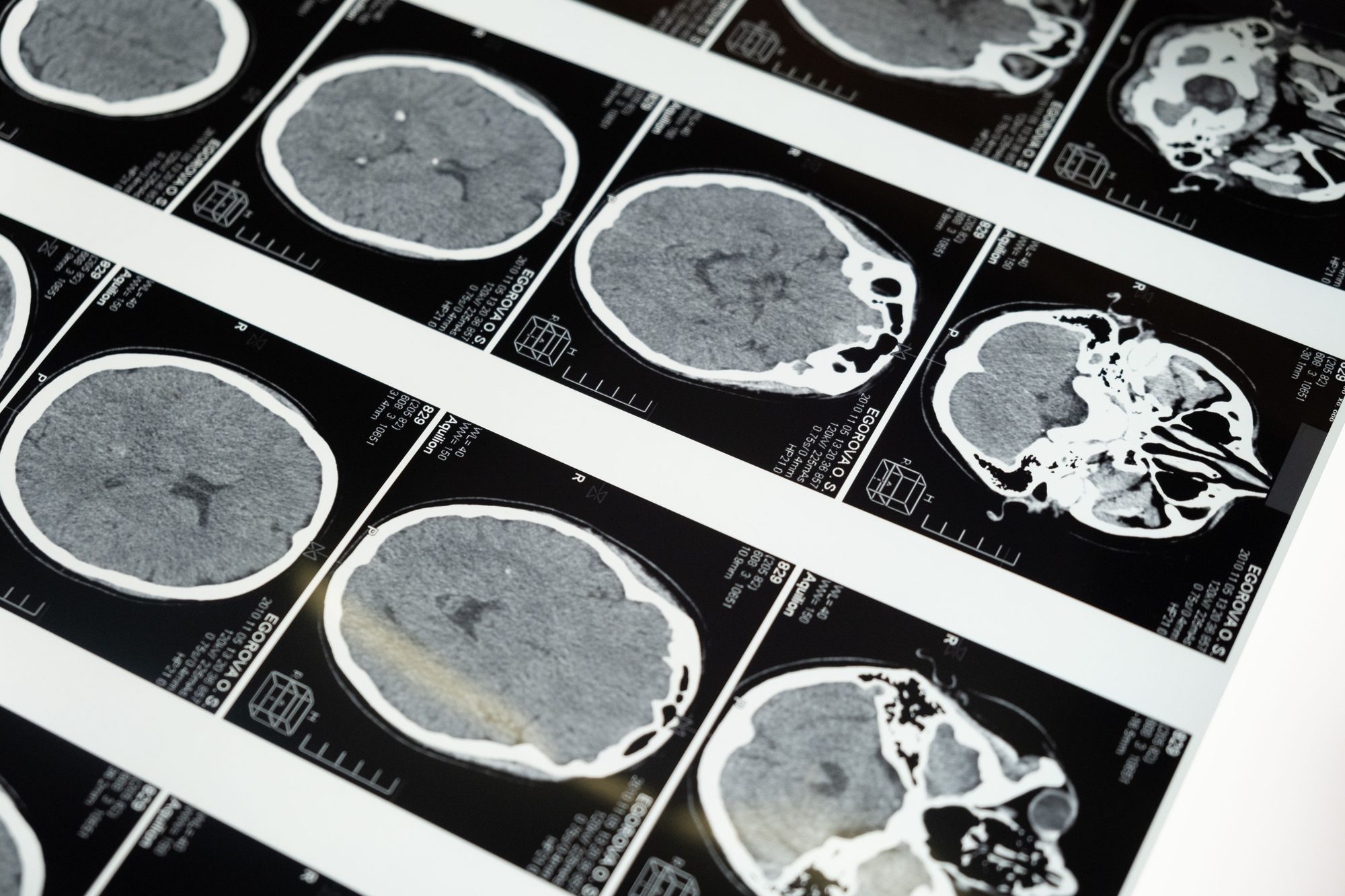
The team analyzed invasive brain recordings from 16 people undergoing clinical monitoring for treatment-resistant epilepsy, recorded at three hospitals: Northwestern Memorial Hospital, Children's National Hospital and University of Iowa Stead Family Children's Hospital. Researchers compared electrical activity recorded directly from the brain with measurements of each person's breathing, including nasal airflow and movement of the chest and abdomen.
Rather than measuring simple breathing rate, the researchers represented each breath as a wave-like pattern. Rises and falls in the wave corresponded to changes in airflow during inhaling and exhaling. They then matched each respiratory wave's shape against the corresponding pattern of electrical activity in the brain.
The match held across brain regions. The brain tracks breath-by-breath variations across limbic and cortical forebrain regions, according to the study.
Prior research has shown that breathing timing can influence attention and memory. People perform slightly better on a memory task when they encounter information while inhaling rather than exhaling, according to the university. Breath control is also used to help calm people experiencing symptoms of PTSD.
Bradley Voytek, professor and chair of the Department of Cognitive Science, said the findings could eventually help researchers understand conditions where the breathing-brain connection breaks down. He pointed to two: sudden unexpected death in epilepsy, known as SUDEP, and sudden infant death syndrome, known as SIDS. Co-author Brian Dlouhy, a neurosurgeon at the University of Iowa, studies SUDEP.
The researchers stressed that the study does not establish a method for predicting SUDEP or SIDS. It provides a framework for future research into whether disruption of the normal breathing-brain relationship plays a role in those conditions.
Because the study relied on highly precise intracranial recordings from epilepsy patients, the findings will need to be tested using noninvasive methods and in broader populations. The National Institute of Mental Health funded the research.