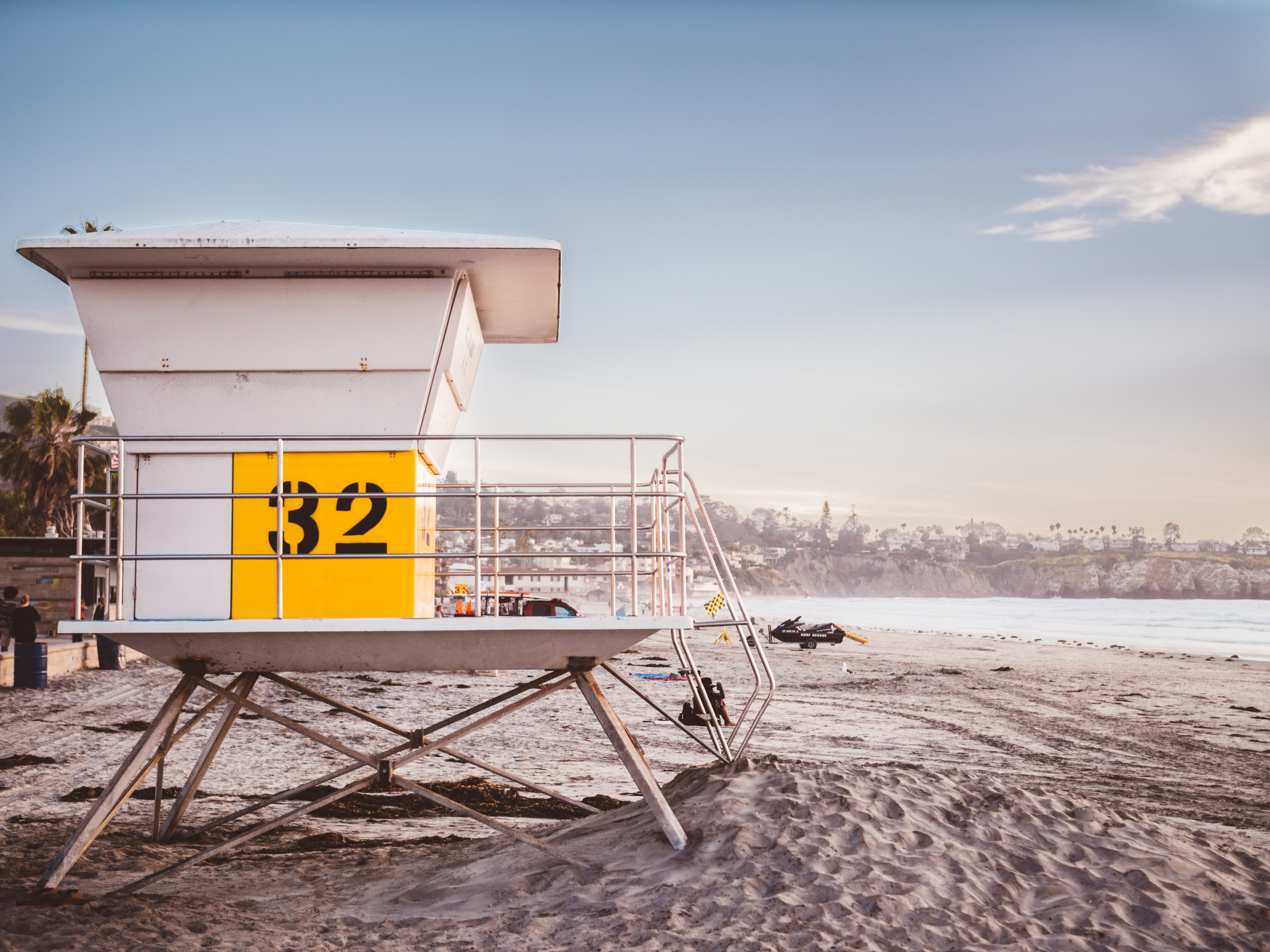
San Diego lifeguards recorded more than 900 stingray stings during the first half of 2026, the highest total for that period in at least five years, as a marine heat wave pushes the venomous bottom-dwellers closer to La Jolla's shoreline and beaches across the region.
The surge means swimmers and waders at La Jolla Shores and other local beaches face elevated risk this summer. Lifeguards' top advice: shuffle your feet when entering the water. The vibration prompts rays to glide away before anyone steps on them.
The spike is driven by a marine heat wave that has kept ocean temperatures unusually warm, according to NBC San Diego, which reported the data Thursday, Aug. 13. The heat wave has persisted off the West Coast long enough to rank as the third-longest on record for such a large stretch of coastal water, according to the National Oceanic and Atmospheric Administration. An El Niño confirmed in June is expected to grow to historic strength.
"There can be so many that they actually carpet the bottom, like you can't see sand," said Chris Lowe, professor of marine biology and director of the Shark Lab at California State University, Long Beach. "During El Niños, we get more of them up from the south, and they come closer to shore. So this year, we're expecting record numbers."
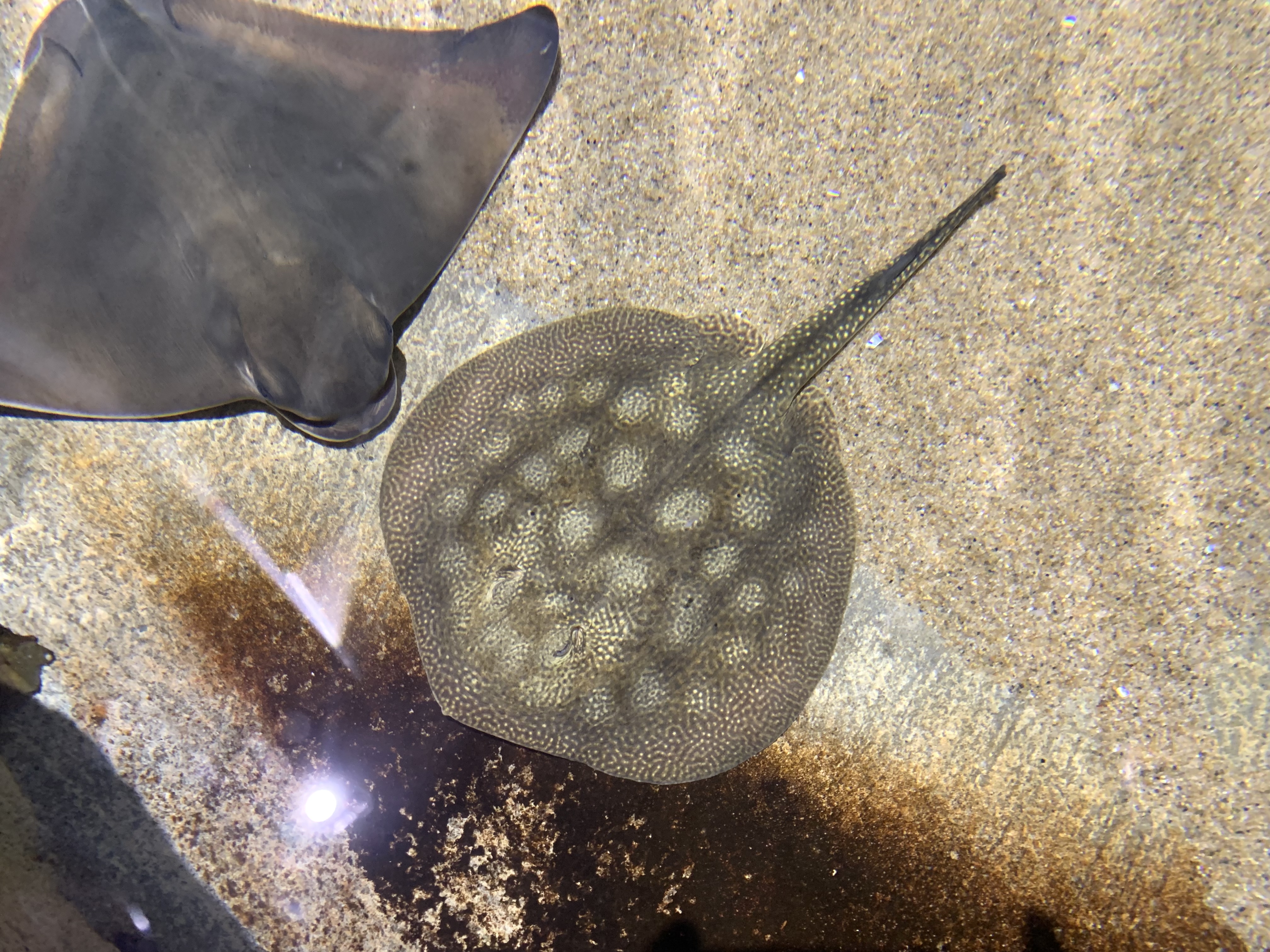
Round stingrays range from Panama to Southern California and move toward shore when swells are low and water is warm. Females seek shallow, warmer water to reproduce, while males' higher summer metabolism drives them to feed on invertebrates along the shoreline, Lowe said. Declining populations of sharks, sea lions and giant sea bass have also removed natural predators, allowing ray numbers to grow.
Using a 75-foot-long net on a recent morning, researchers swept up roughly 200 rays on a single stretch of beach. Each was about the size of a dinner plate.
What to do if you're stung
When stepped on, a ray flicks its tail and drives a serrated, venomous barb into the foot or ankle. The standard treatment is soaking the wound in the hottest water tolerable. Some beachgoers at Southern California lifeguard stations waited more than an hour for the pain to subside.
Most stings do not require further medical care. But Dr. Christanne Coffey, a stingray-injury researcher at UC San Diego Health, said redness and swelling lasting more than four or five days could signal an infection or a retained barb that would show up on an X-ray.
Lowe is working with television stations to develop a stingray advisory system, and many beaches already use an app to alert swimmers when multiple stings occur at a location. A company has also developed surf booties marketed as barb-resistant, though swimmers are still urged to tread lightly to avoid trampling the rays, which help keep beaches healthy by feeding on small clams and aerating sediment.