Scripps Institution of Oceanography researchers can now predict the size and shape of a breaking wave using just two inputs: the slope of the seafloor and the wave's offshore height.
The study, published July 27 in the Journal of Fluid Mechanics, was led by Scripps PhD student Kanoa Pick and Scripps oceanographer Falk Feddersen. It was funded by the Mark Walk Wolfinger Foundation. Feddersen noted key support from the Mark "Marko" Walk Wolfinger Surfzone Research Fund, created by a La Jolla family to honor the memory of Marko Wolfinger, an avid surfer who died in 2015.
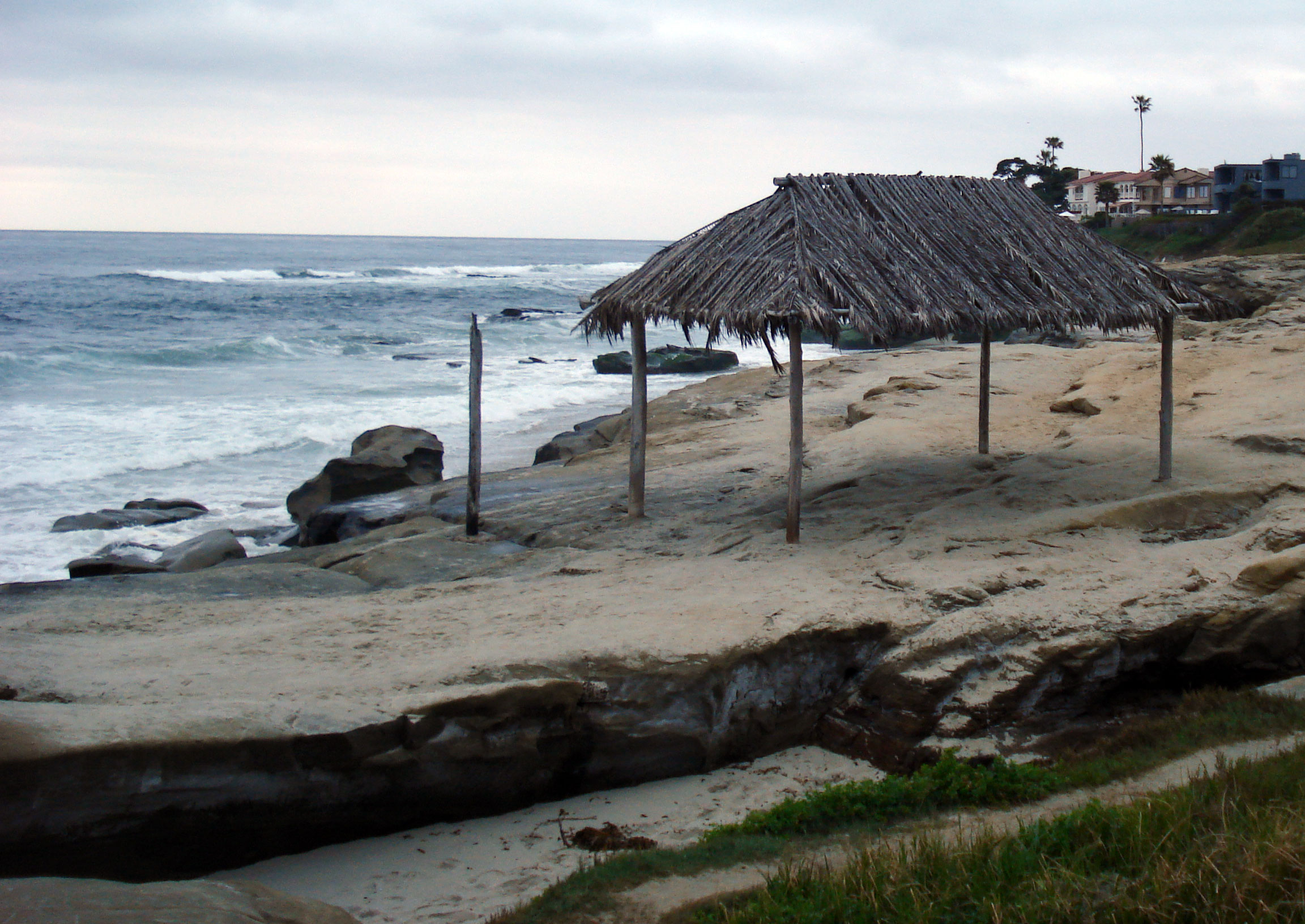
Wolfinger dominated surfing competitions from a young age, rode waves at famous breaks around the world and shaped more than 50 surfboards by hand, according to UC San Diego. His parents, Charlie Wolfinger and Cynthia Walk, and brother, Eric Wolfinger, have donated $3 million to UC San Diego in his honor, supporting both a surfboard shaping studio and ocean research at Scripps. The studio's five shaping bays are named after Marko's favorite surf spots, including Windansea in La Jolla.
The new study goes beyond the broad labels surfers and scientists have long used. Waves are often classified as either spilling or plunging breakers. Pick and Feddersen set out to describe the precise geometry of how they break.
Using a computer model that simulated solitary waves moving across different seafloor slopes, the researchers found that steeper slopes produce larger, more horizontally oriented overturning waves with thicker jets of water projecting from the crest. Gentler slopes produce smaller, more inclined overturns with thinner jets.
That geometry matters beyond the lineup.
The study linked the size of a wave's overturning jet to the turbulence generated when it crashes. That turbulence drives sand suspension and transport in the surf zone, the researchers said. The paper, published in Volume 1040 of the journal, offers a more detailed framework for understanding how incoming waves reshape the coast.
"Surfers are incredibly observant," Pick said. "They learn to recognize how changes in the swell and seafloor affect a wave, even if they don't express those relationships through equations. Science gives us a way to test that intuition and quantify the physics behind it."