A research center at Scripps Institution of Oceanography is turning La Jolla's ocean-science expertise toward soil science.
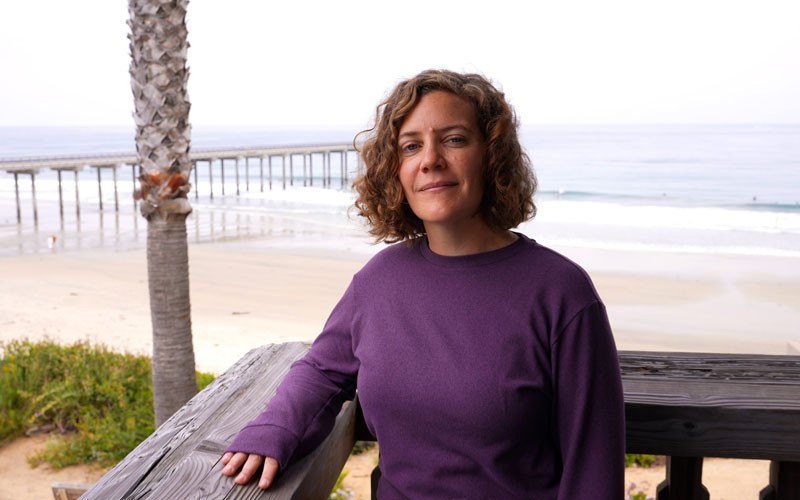
The UC San Diego Soil Health Center, established in fall 2025, brings together microbiologists, chemists, physicists, economists and other researchers to develop soil-based solutions for food security and climate resilience. Sarah Allard, a microbial ecologist at Scripps, leads the center.
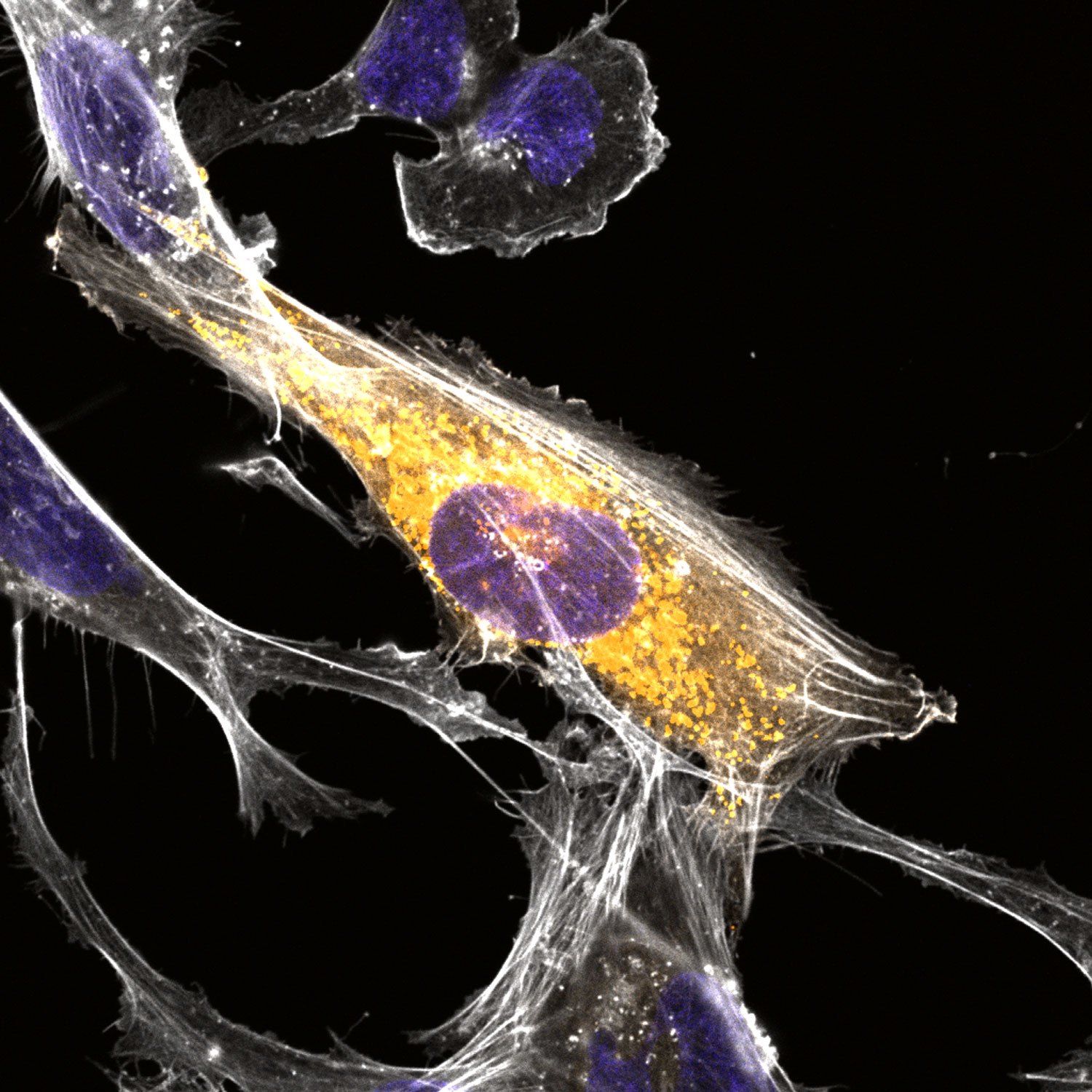
Allard studies bacteria and fungi in agricultural and natural systems, tracking how microbial communities respond to different farming practices. Her lab extracts DNA and RNA from soil, plant and produce samples, then uses the San Diego Supercomputer Center's computational resources to analyze the data.
The center's flagship effort is the Healthy Soils Project, which develops soil probiotics and prebiotics. The goal is to create microbial treatments that help plants withstand drought, heat and flooding while reducing farmers' dependence on synthetic fertilizers.
"Our goal with this project is to work hand-in-hand with farmers to develop consistent and effective microbial inoculants that support plant resilience to climate stressors and reduce reliance on synthetic fertilizers," Allard said in a Scripps profile published Sept. 3.
More than a century of industrial farming and synthetic fertilizer use has depleted carbon in soil and degraded its health, according to a Scripps announcement about the center. That degradation leaves farms increasingly vulnerable to extreme weather.
The ocean-soil connection
Allard said the oceanography setting fits because healthy soils with living roots help reduce runoff into coastal waters. Less runoff means less erosion and fewer nitrogen inputs that can fuel harmful algal blooms. Scripps biogeochemists who study carbon cycling and heavy metals in the ocean can adapt those techniques to soil systems, she said, bridging knowledge across both environments.
The center is already working beyond the lab. One project at UC San Diego's Elliott Chaparral Reserve will track microbial community changes as the site shifts from eucalyptus back to native chaparral. Another project at a natural reserve in Orange County monitors how conservation grazing with cattle manages non-native grasses that pose wildfire risk, with the team collecting soil samples throughout.
Allard grew up in Vermont, exploring forests and spending time on her grandparents' farm. She studied pollination efficiency of native bees at Haverford College, earned her biology degree in 2009, then completed her PhD in plant science at the University of Maryland in 2016.
At Maryland, she began the microbiome research that now anchors her career.
No funding figures or budget details for the center have been publicly released. The Elliott Chaparral restoration and Orange County grazing projects are both actively collecting data.