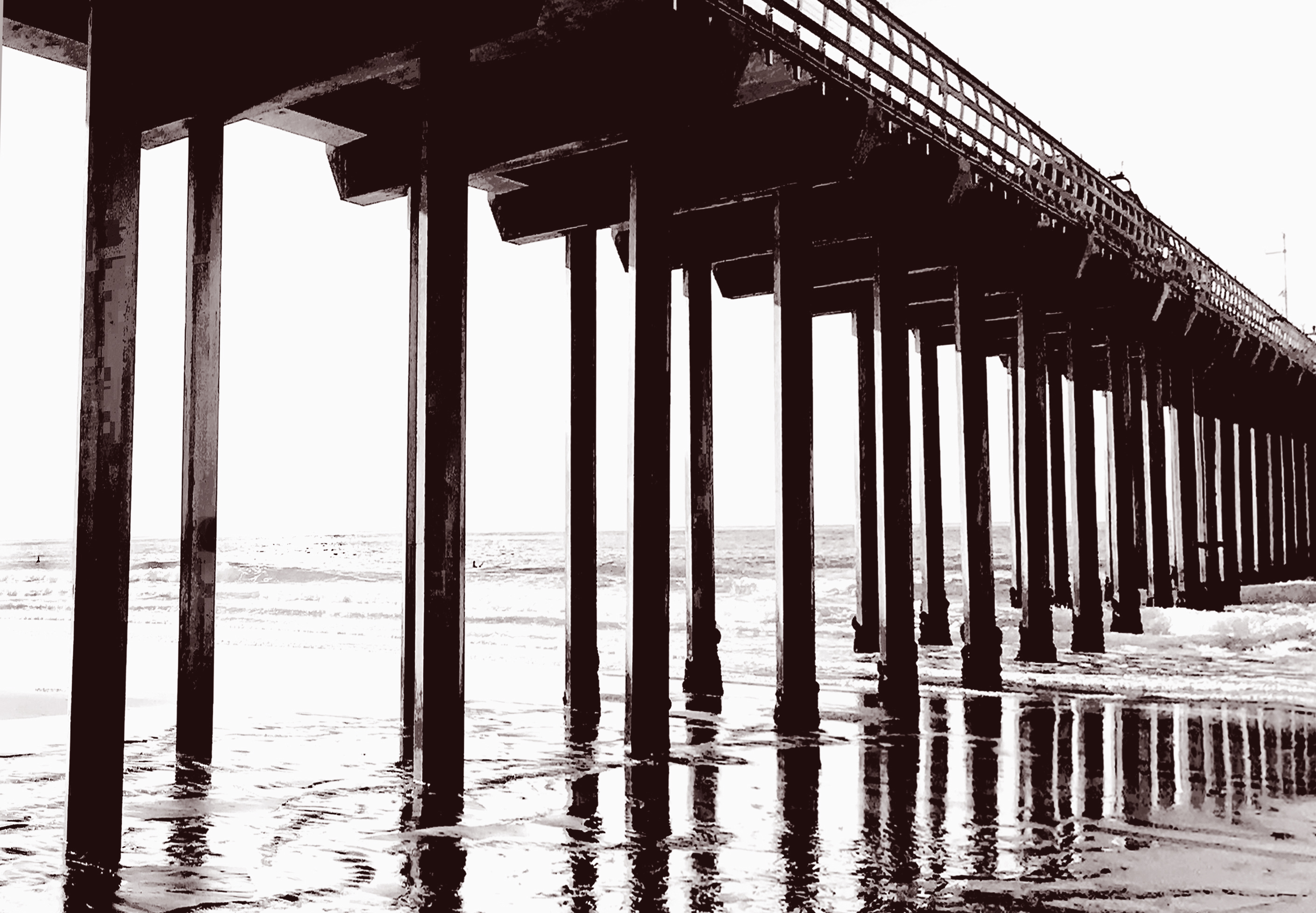
Sea-surface temperatures at the Scripps Pier reached 73.8 degrees Fahrenheit on Thursday, Sept. 10, well above the 68.8-degree average, NBC San Diego reported.
That warm water is the engine behind what University of California climate scientist Daniel Swain called the most humid summer along the Southern California coast in records dating to 1980.
Research meteorologist Alexander Gershunov at Scripps Institution of Oceanography has been tracking the marine heat wave since last year, NBC San Diego reported. Evaporation from the unusually warm ocean is pumping extra water vapor into the atmosphere. Monsoon moisture and remnants of Hurricane Marie have piled on.
"That surface humidity is coming right from the ocean," Gershunov said. "In the last few days, it's been injected at mid and high-level humidity, advected from tropical storm that used to be Hurricane Marie."
The result: overnight temperatures that refuse to drop. Gershunov described the humidity as acting like a thick blanket over the coast, preventing the surface from cooling and keeping residents uncomfortable past sunset.
La Jolla resident Suzy Metz told NBC San Diego she and her neighbors have been lying in bed with fans running and wet washcloths, unable to escape the moisture.
The marine heat wave driving these conditions began in May 2025, according to the National Oceanic and Atmospheric Administration (NOAA). Sea-surface temperature anomalies have hovered 3 to 4 degrees above normal for Southern California since then, NBC San Diego reported.
The heat wave's grip on the Scripps Pier station has been relentless. As of Aug. 16, Scripps Institution of Oceanography had logged 42 days in 2026 with record-high ocean temperatures for their calendar date. All ten Shore Stations sites along the California coast set similar records this year.
Swain conducted an informal analysis of Southern California coastal dew points through his Weather West platform and concluded this summer topped every year since 1980. The National Weather Service (NWS) told NBC San Diego that NOAA does not collect climate data on relative humidity or dew points and could not independently confirm the record.
The NWS dew point scale puts readings below 55 degrees in the "dry and comfortable" range. Between 55 and 65, conditions start to feel sticky. Above 65, the air can feel oppressive.
On Thursday, Sept. 10, the La Jolla Weather account on X recorded 71% humidity at midday and a nighttime temperature of 75 degrees. Scripps research oceanographer Art Miller said El Niño-fueled marine heat waves slightly warm coastal air and increase humidity, making summer and fall less comfortable.
On Friday, Sept. 11, humidity in La Jolla climbed to 83%.