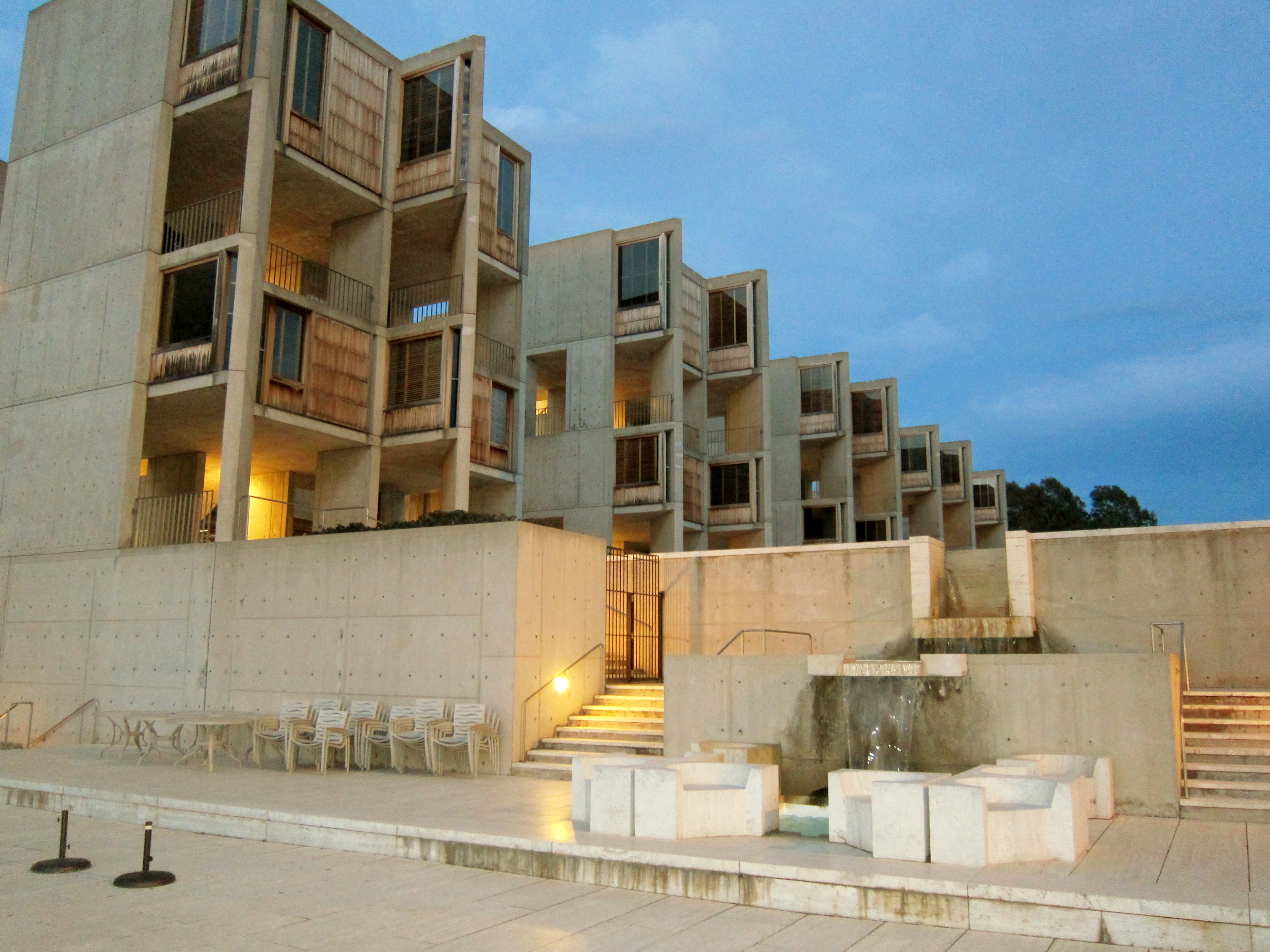
A brain circuit that links loneliness to alcohol use works in opposite directions depending on sex, according to a study published Tuesday, Aug. 25, by researchers at the Salk Institute for Biological Studies on North Torrey Pines Road.
The finding, reported in the journal Nature Neuroscience, could reshape how clinicians think about treating alcohol use disorder, which affects roughly 7 percent of the global population over age 15, according to the World Health Organization. The study was conducted in mice; no direct human data was presented.
"This project really started during the pandemic," said Kay Tye, a professor in Salk's Systems Neurobiology Laboratory and Howard Hughes Medical Institute investigator. "Some people said being alone makes them drink less, others said more, so we wondered, is there actually a neural mechanism linking social isolation and alcohol use?"
There is.
The team identified a pathway connecting the basolateral amygdala, which processes emotional and stress signals, to the medial prefrontal cortex, which regulates decision-making. After 11 days of social isolation, male mice given a daily one-hour choice between water and a 15 percent alcohol solution drank significantly more alcohol. Female mice under identical conditions drank less.
Electrophysiology recordings showed the circuit's excitability increased in isolated males and decreased in isolated females, mirroring the behavioral split. Group-housed females started with higher baseline excitability than group-housed males.
The researchers then used optogenetics, brief pulses of light that switch brain circuits on or off, to test causation. Artificially activating the circuit in non-isolated males reproduced the isolation effect, boosting alcohol intake without any actual social deprivation. Inhibiting the circuit in isolated males brought their drinking back down.
Brain imaging also showed the circuit suppressed responses to natural rewards like sucrose while amplifying responses to alcohol, a pattern the team describes as mimicking an isolation-induced cortical state.
Co-corresponding author Reesha Patel, a former postdoctoral researcher in Tye's lab who is now an assistant professor of general psychiatry and neuroscience at Northwestern University Feinberg School of Medicine, said in a Northwestern press release that the sex differences observed in mice mirror patterns reported in some human research, though she noted the team cannot yet definitively explain why isolation produces opposite effects in males and females.
Tye, who joined Salk in 2019 and holds the institute's Wylie Vale Chair, said the work points toward sex-specific treatment approaches. "I hope these data will be used to inform policies that are not one-size-fits-all for how men and women should be treated with alcohol, drinking, and isolation," she said in the Salk press release.
The study was co-led by Salk and Northwestern, with additional co-authors from UC San Diego. Funding came from the National Institutes of Health, the Howard Hughes Medical Institute, the Kavli Foundation and others.
The researchers said their next steps include investigating what keeps the circuit overactive during isolation, whether hormones play a role in the sex difference, and how the findings translate to humans.