Students at La Jolla High School and Muirlands Middle School are sleeping more and testing better under California's later start time law.
A National Bureau of Economic Research (NBER) working paper published in May found that Senate Bill 328, the nation's only statewide school start time mandate, increased the share of students sleeping at least eight hours per night by 13%. The law took effect in 2022 and requires most middle schools to start no earlier than 8 a.m. and high schools no earlier than 8:30 a.m., Times of San Diego reported Monday, Sept. 7.
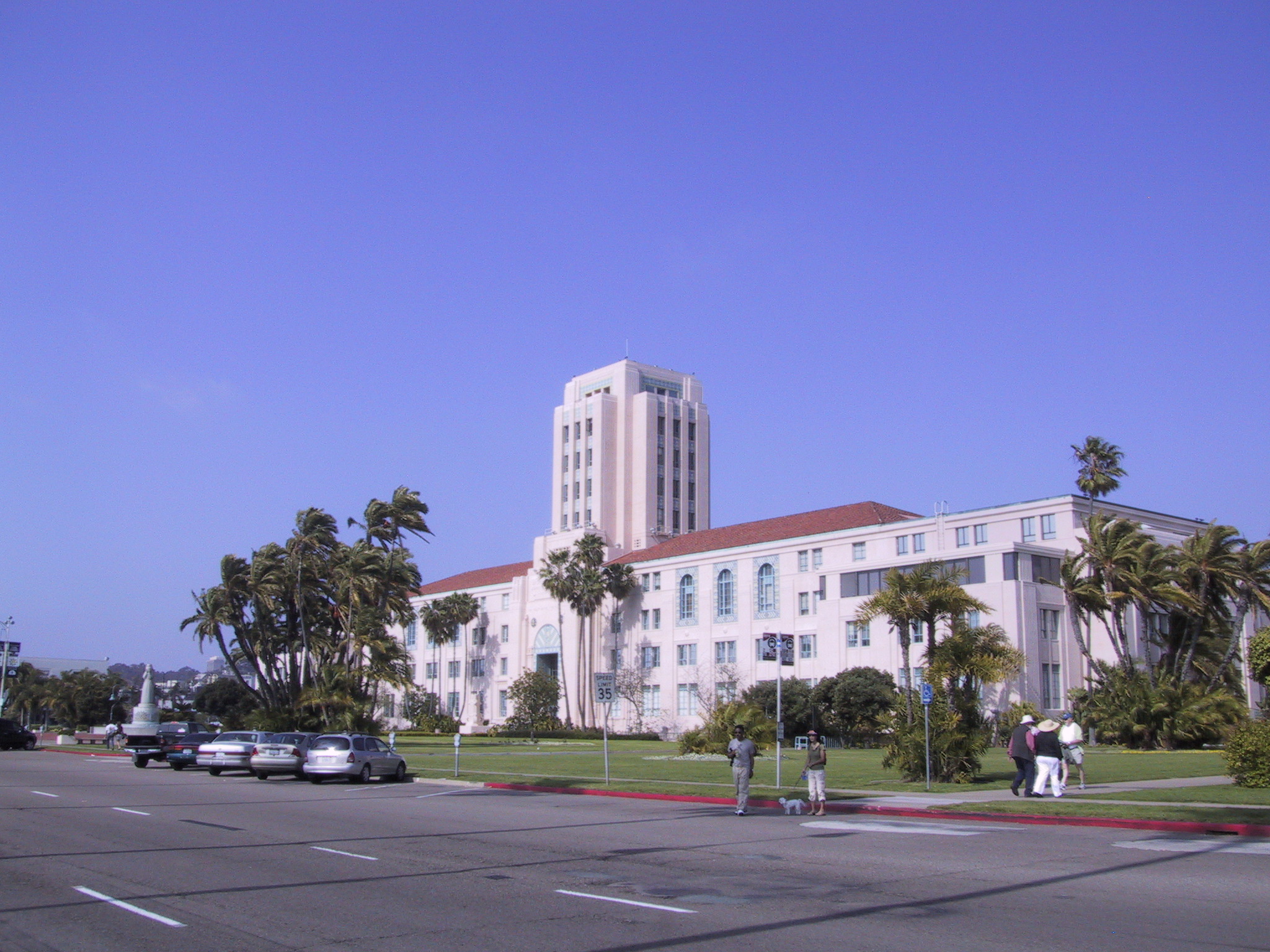
La Jolla's two public secondary schools were ahead of the curve. Both La Jolla High and Muirlands shifted to an 8:35 a.m. bell in the 2019-20 school year, making them among the first campuses in San Diego Unified School District to adopt the change, according to the La Jolla Cluster. The district expanded later start times to all high schools the following year, with bells ranging from 8:35 a.m. to 9:05 a.m., according to San Diego Unified.
Boys saw the largest jump in sleep statewide.
The gains went beyond rest. Eighth-grade math and English scores improved by roughly 0.08 to 0.10 standard deviations, with the largest academic gains among Hispanic and economically disadvantaged students, according to the NBER paper. Those improvements accumulated over the 2023-25 period, alongside what the researchers called a suggestive decline in high school dropout rates.
Students also reported better mental health. Boys showed the largest reductions in sadness, hopelessness and suicidal ideation. Hispanic students reported the biggest drop in difficulty concentrating.
"The first step in addressing student mental health problems is to not create them in the first place," Terra Ziporyn, executive director of Start School Later, told Times of San Diego. "You can get a lot of counselors, but systematically depriving an entire adolescent population of adequate sleep is a surefire way to hurt their mental health."
Osea Giuntella, a University of Pittsburgh researcher and study co-author, said the test score improvements were likely "largely driven by the change in sleep." Giuntella described later start times as just "one institutional factor" in addressing adolescent sleep deprivation, pointing to challenges like nighttime screen use.
The transition was not smooth for every family. Times of San Diego reported that some parents found later start times complicated work commutes and pushed back sports schedules. The study found extracurricular activities did shift later, but the changes were "marginal and not statistically significant."
Some districts found the switch "too hard and too expensive," Ziporyn said. She added that the state Department of Education could have provided more guidance to help districts build community support.
The NBER paper has not yet undergone peer review. Its authors are Jialu Dou, Rania Gihleb, Giuntella and Jakub Lonsky. The researchers used changes in teachers' commute arrival times as a proxy for school start times, comparing sleep and health data before and after the 2022-23 school year.