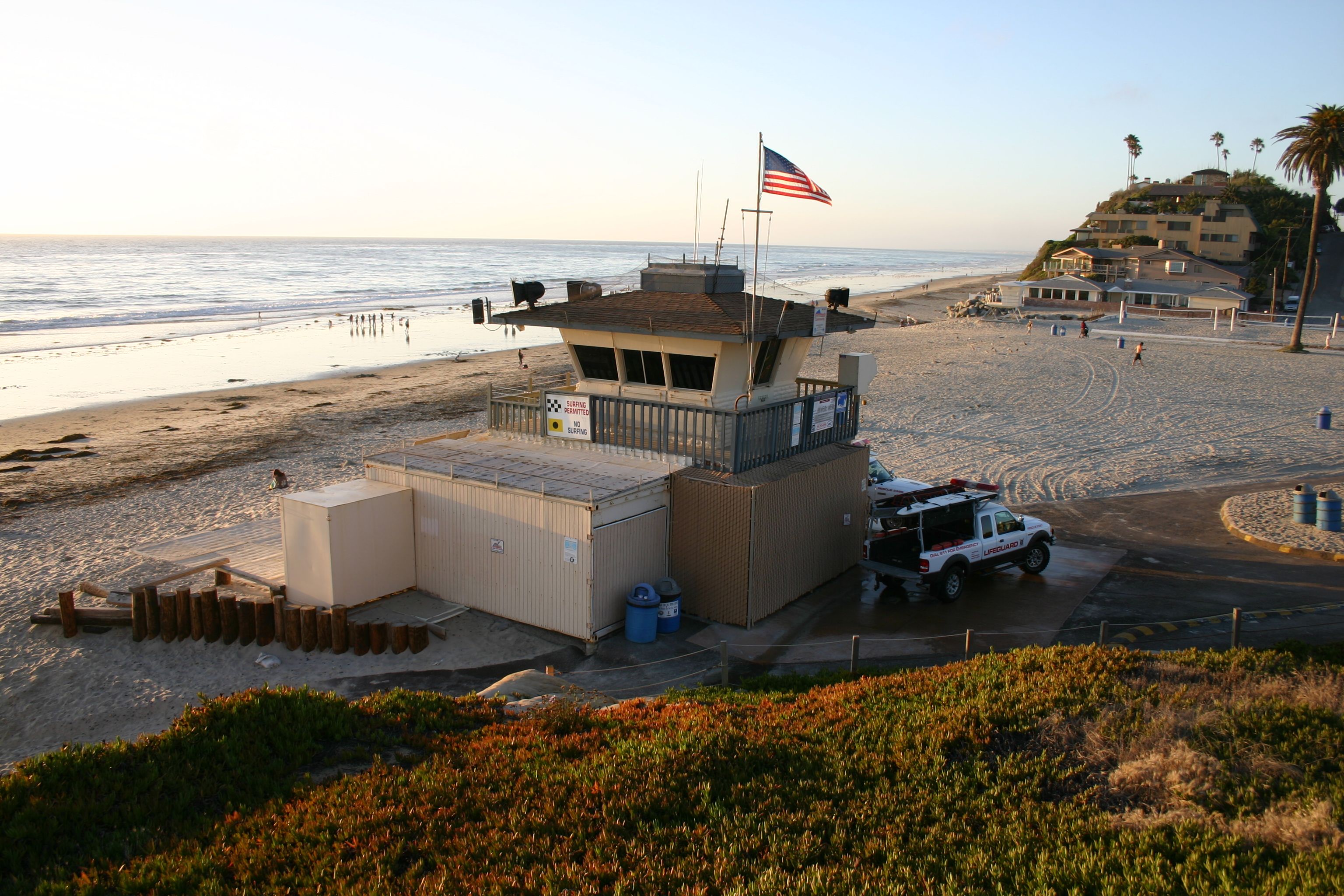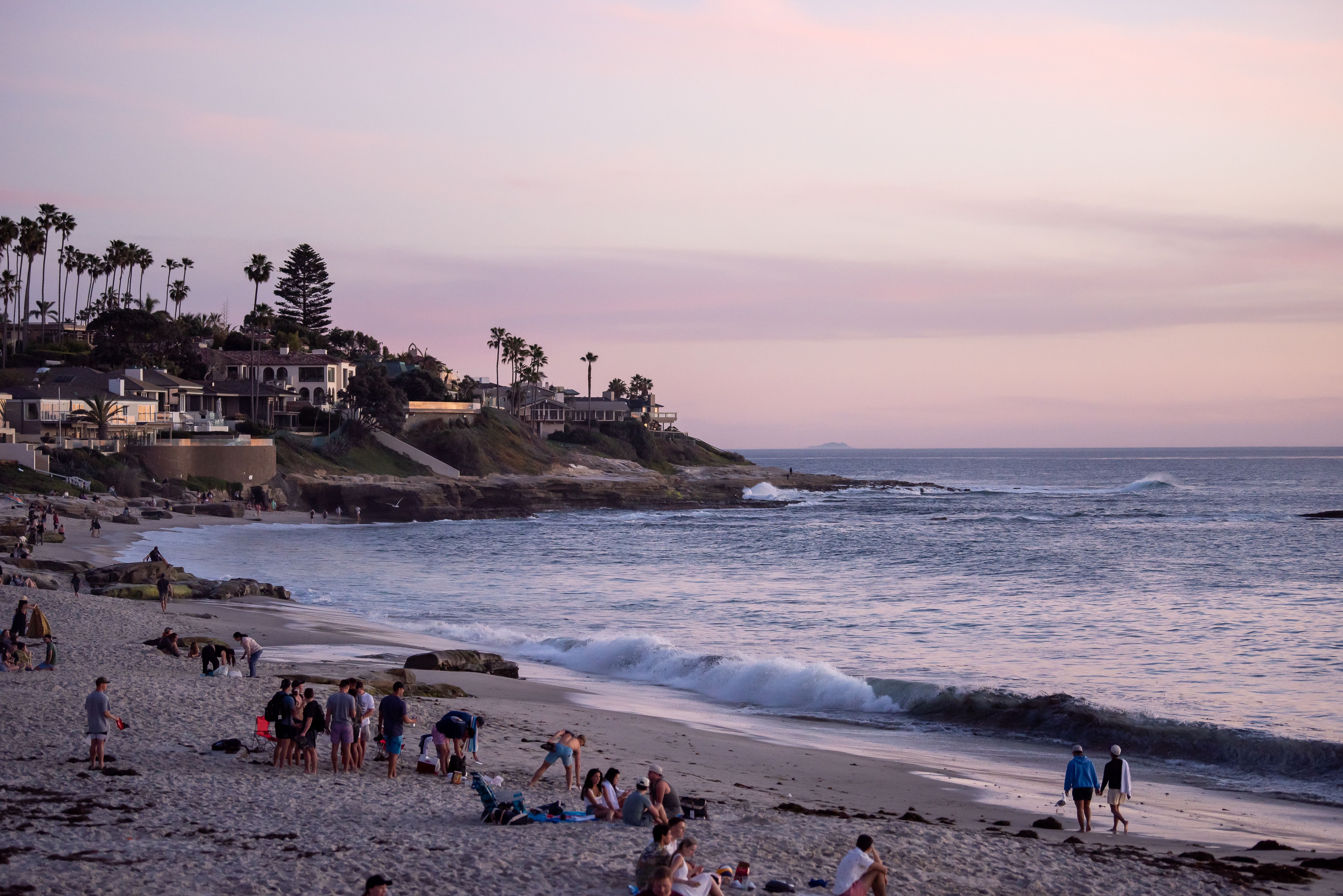
Free parking at Kellogg Park, Windansea and Tourmaline would become permanent under an ordinance the San Diego City Council Rules Committee advanced unanimously on Wednesday, Aug. 26, according to a city press release.
The committee stripped a 10-year sunset clause from the measure and narrowed it to cover only City of San Diego residents before sending it to the full council for a final vote expected in September.
Council President Joe LaCava, who represents La Jolla as the District 1 member, co-authored the ordinance with District 7 Councilmember Raul Campillo. It would add a section to the San Diego Municipal Code barring the city from charging parking fees at more than 50 city-owned lots that provide beach or Mission Bay access.
La Jolla lots covered include Kellogg Park at La Jolla Shores, Windansea and Tourmaline. The ban also applies to lots at Fiesta Island, Mission Beach, Ocean Beach, Crown Point, De Anza Cove and Ski Beach.
Sunset clause dropped
The original draft would have expired Dec. 31, 2036. Councilmember Kent Lee raised concerns about that timeline, and after public comment the committee dropped the expiration entirely, Times of San Diego reported.
Linda Vista resident Tom Darby told the committee during public comment that his preference would be "free parking in perpetuity," questioning how the city had reached a point "where charging for the beaches in Mission Bay is even conceivable."
Residents-only scope
The committee also voted to limit the free-parking guarantee to city residents. Campillo raised concerns about that framing, noting it could result in county residents who live just outside city limits being treated the same as out-of-state visitors. The practical enforcement mechanism has not been described publicly.
Revenue trade-off
Jillian Andolina of the city's Independent Budget Analyst office told the committee the office was not opposing the ordinance but "typically encourages council to preserve financial flexibility." Paid parking at beach and bay lots could generate more than $10 million annually, Andolina said.
San Diego faces a budget deficit estimated between $100 million and $118 million for fiscal year 2027. The ordinance's authors framed the measure as a promise that beaches would not become a tool to close that gap.
"We will not be asking them for paid parking at the beaches to make up for our mistakes or budget woes," Campillo said at the hearing, according to Fox 5 San Diego.
What it does not cover
The ordinance would not affect existing on-street parking meters, the city's ability to issue parking citations, or lots leased to outside entities such as SeaWorld or Mission Bay-area hotels. It also would not prevent the city from regulating commercial activity or permitted events.
Community support
The day before the committee vote, the citywide Community Planners Committee voted 22-2 in support. Victoria LaBruzzo, chair of that body, told the Rules Committee that her group reviewed the ordinance text and comments from the Pacific Beach Planning Group before voting.
LaCava said converting the proposal from a ballot measure to an ordinance would save taxpayers nearly $1 million by avoiding a public vote. He predicted the full council will pass the ban with a "vast majority" in support.
The ordinance requires five council votes and the mayor's signature to become law. No specific date for the full council vote has been announced.